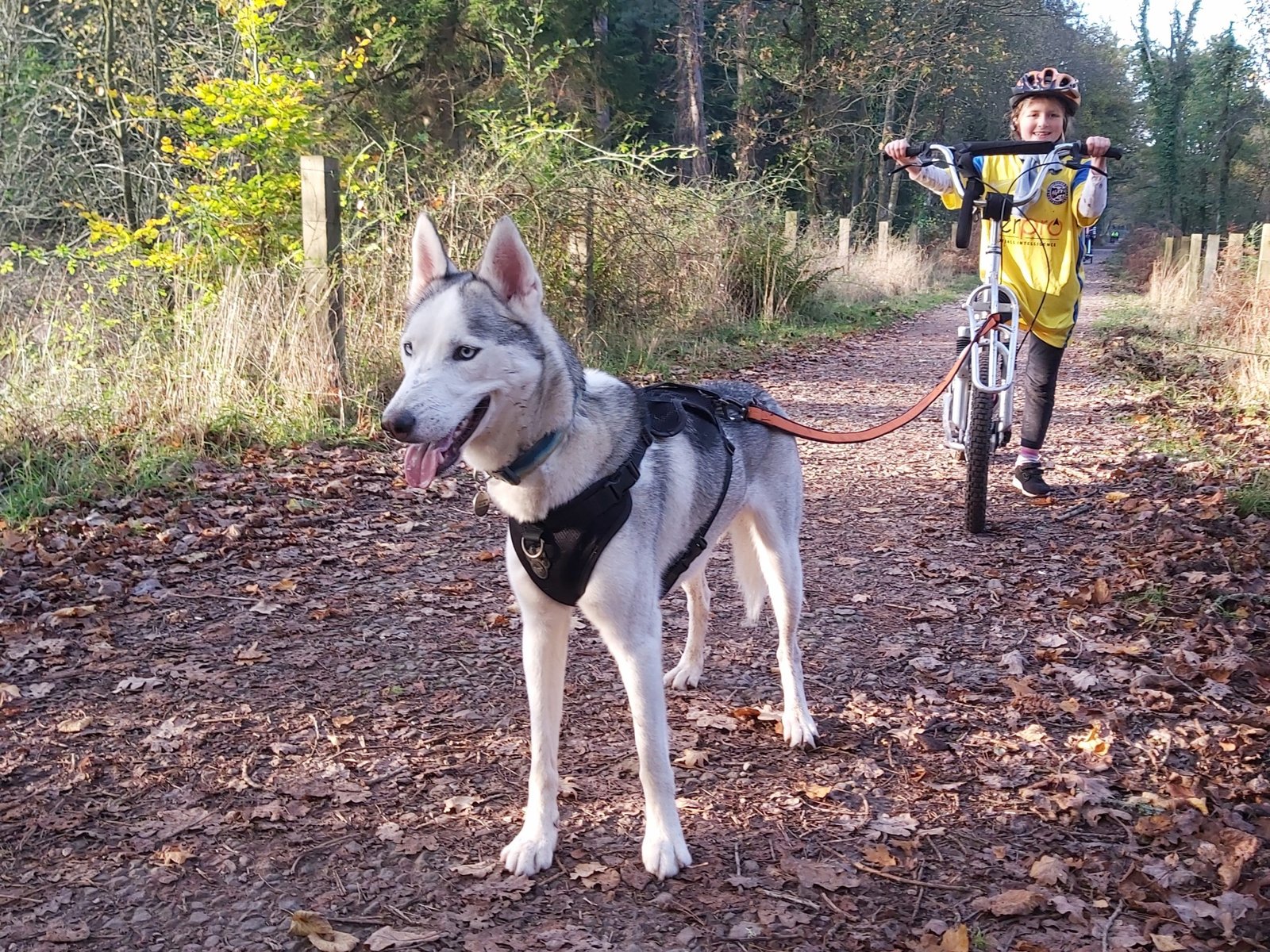
Muddy Paws to Crackling Fires: Why the Right Wood Fuel Makes All the Difference
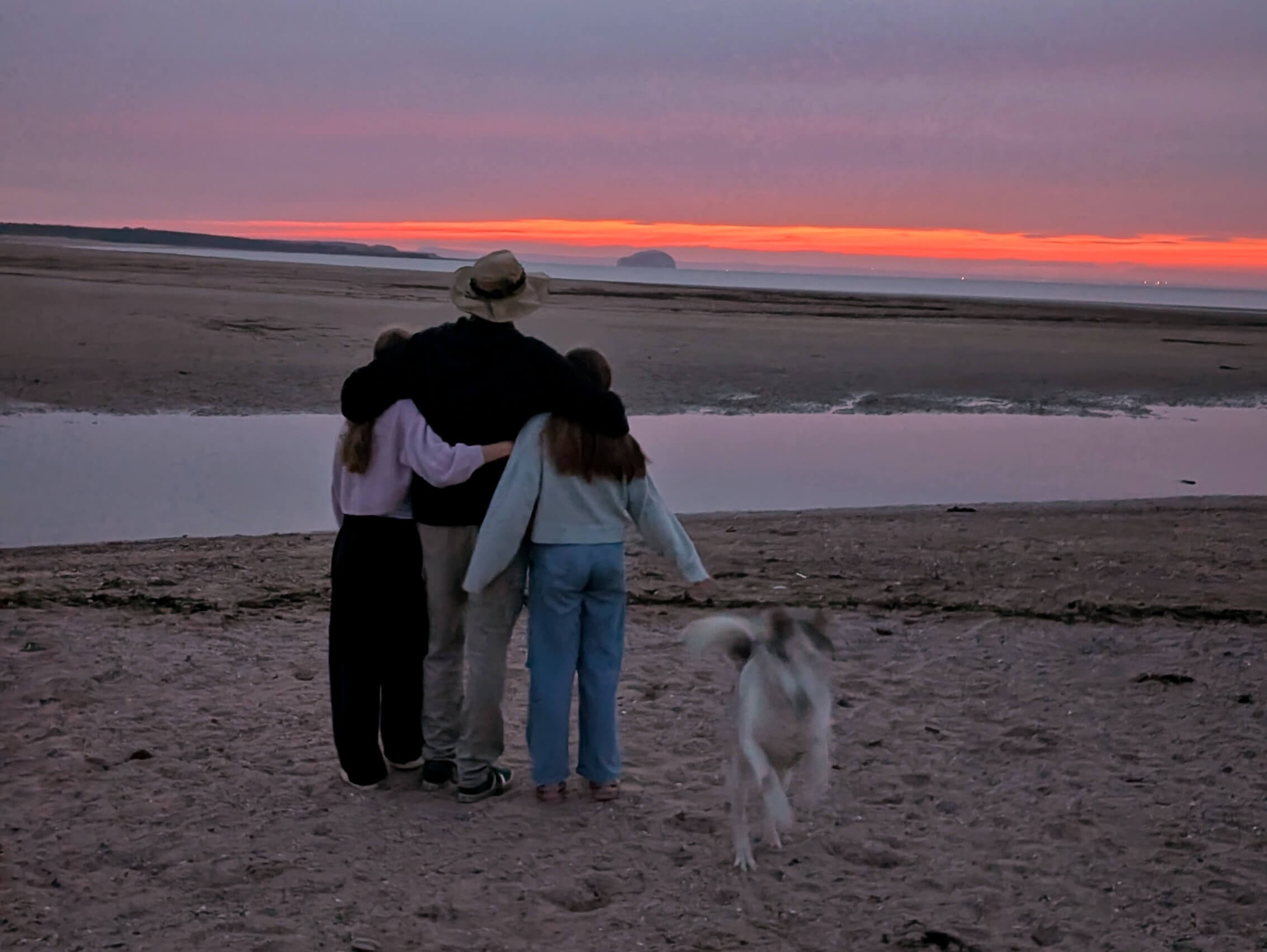
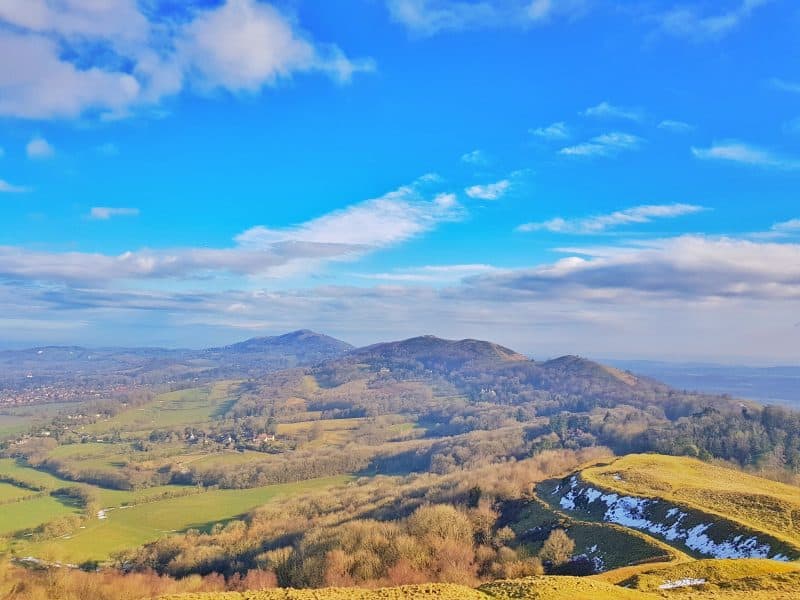
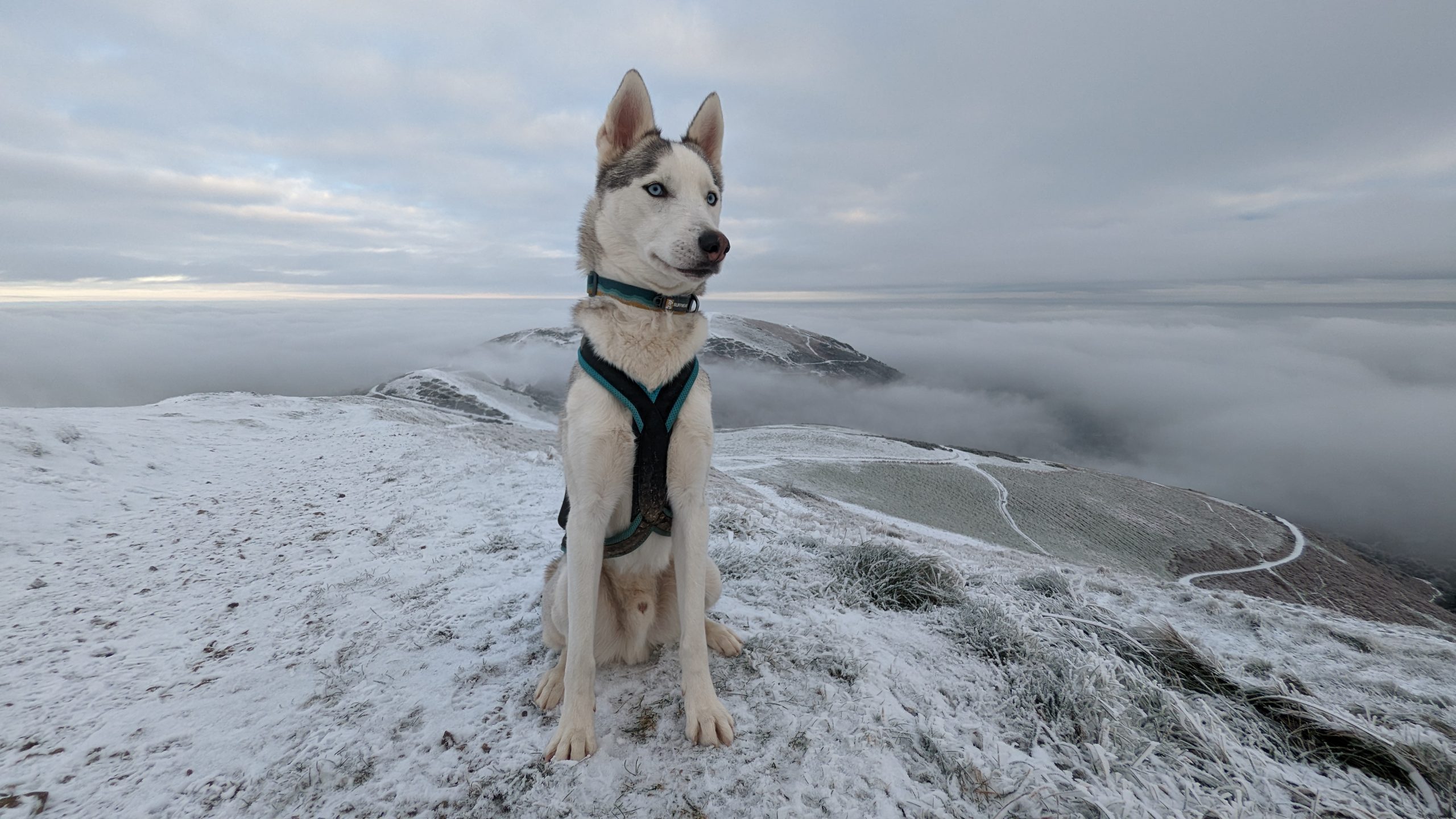
There’s a particular kind of tired that only comes from a long winter walk. Boots caked in mud, cheeks stinging from the wind, and a dog who has somehow found every puddle on the hill and is now very pleased with himself. The views from the top are always worth it, but by the time everyone squelches back to the car, thoughts have usually turned to one thing: getting home and getting warm. For many families, the best part of a winter day out is the evening that follows it. Wet coats get hung up, the kettle goes on, and someone kneels in front of the log burner to coax a fire into life. When it catches quickly and the room fills with that soft, flickering glow, it feels like the perfect reward. When it hisses, smokes and refuses to get going, it can feel like the walk never really ended. More often, the difference comes down to the logs.
Being environmentally conscious doesn’t mean giving up the simple pleasure of a crackling fire on a cold night. By choosing responsibly sourced wood fuel with a low moisture content, it’s possible to enjoy all the warmth and charm of a real fire with far less smoke and impact. Head to the Forest Fuel website to order your wood fuel and make every fire a little greener.
Why Damp Logs Ruin a Good Evening
Freshly cut wood can be more than half water. Before it can produce proper heat, the fire must boil all of that moisture away, which is why damp logs sizzle, smoulder and give off clouds of grey smoke instead of bright flames. They also leave behind tar and soot that build up inside chimneys and flues, and they blacken stove glass far faster than dry logs do.
Dry logs behave completely differently. They light easily, burn hotter and last longer, which means fewer logs are needed over the course of an evening. It’s one of those small changes that makes a surprisingly big difference.
Ready to Burn, Explained
Anyone buying logs in smaller quantities in England will likely spot a Ready to Burn label on the bag. It means the wood has been tested and has a moisture content of 20% or less, which is the sweet spot for a clean, efficient fire.
There are two main ways to get logs to that point. Seasoned logs are left to air-dry, often for a year or more, while kiln-dried logs are dried in a controlled environment so they’re ready to use straight away. Both work well, but kiln-dried logs tend to be the most consistent, which helps when the aim is simply to get the fire going quickly after a cold day out. Choosing certified wood fuel takes the guesswork out of it completely.
Hardwood, Softwood and Finding the Right Mix
Hardwoods such as oak, ash, beech and birch are dense, so they burn slowly and give off plenty of steady heat. They’re ideal for long, lazy evenings in front of the fire. Softwoods like pine light much faster and are brilliant for getting things started, but they burn through quickly.
Many people find the best approach is a mix: a little softwood kindling to get the fire going, then hardwood logs to keep it burning well into the evening.
Keeping Logs Dry at Home
Even the best logs can let the side down if they’re stored badly. A log store with a roof and open sides works well, as it keeps rain off while letting air move around the wood. Raising logs off the ground on a pallet or rack stops damp creeping up from below. Bringing a basket indoors a day or two before use helps too, especially after a spell of wet weather.
Fires and Four-Legged Friends
Dogs love a fire almost as much as people do, and it’s hard to find a happier sight than a damp dog stretched out in front of the log burner after a long walk. A few simple habits help keep everyone safe. A sturdy fireguard stops curious noses getting too close, and dogs should never be left alone in a room with an open fire. Outdoors, it’s worth keeping dogs well back from fire pits, as stray embers can easily jump onto fur or paws. Ash should always be left to cool completely before it’s cleared away, as it can stay hot for much longer than expected.
Taking the Warmth Outside
Cosy evenings don’t have to stay indoors. A fire pit or chimenea can turn the garden into the perfect spot for hot chocolate, toasted marshmallows and wrapped-up chats under the stars, even in the depths of winter. The same rules apply outside as in: dry logs mean less smoke drifting over the neighbours’ fences, and a fire that keeps going long after the sun has set.
The Best Bit of a Winter Walk
Long walks across frosty hills will always be one of the joys of the colder months, but there’s something special about the warm, slow evening that follows. With good quality wood fuel stacked and ready, the hardest decision left is who gets the spot nearest the fire, and in most households, the dog has usually claimed it already.