Loch Lomond Reflections and Dublin’s Georgian Quarters
Collaborative guest post
Some places ask you to slow down before you understand why. Others reveal their logic only after you’ve spent time moving through them. Loch Lomond and Dublin belong to the first category — landscapes and streets that guide attention gently, using space rather than instruction. Water, proportion, and repetition do most of the work.
Together, they offer a study in balance. One relies on stillness shaped by geography; the other on order shaped by history. Neither feels static. Both remain deeply lived in. Travelling between them sharpens awareness of how environment and design influence daily rhythm without demanding spectacle.
Still Water and Open Space at Loch Lomond
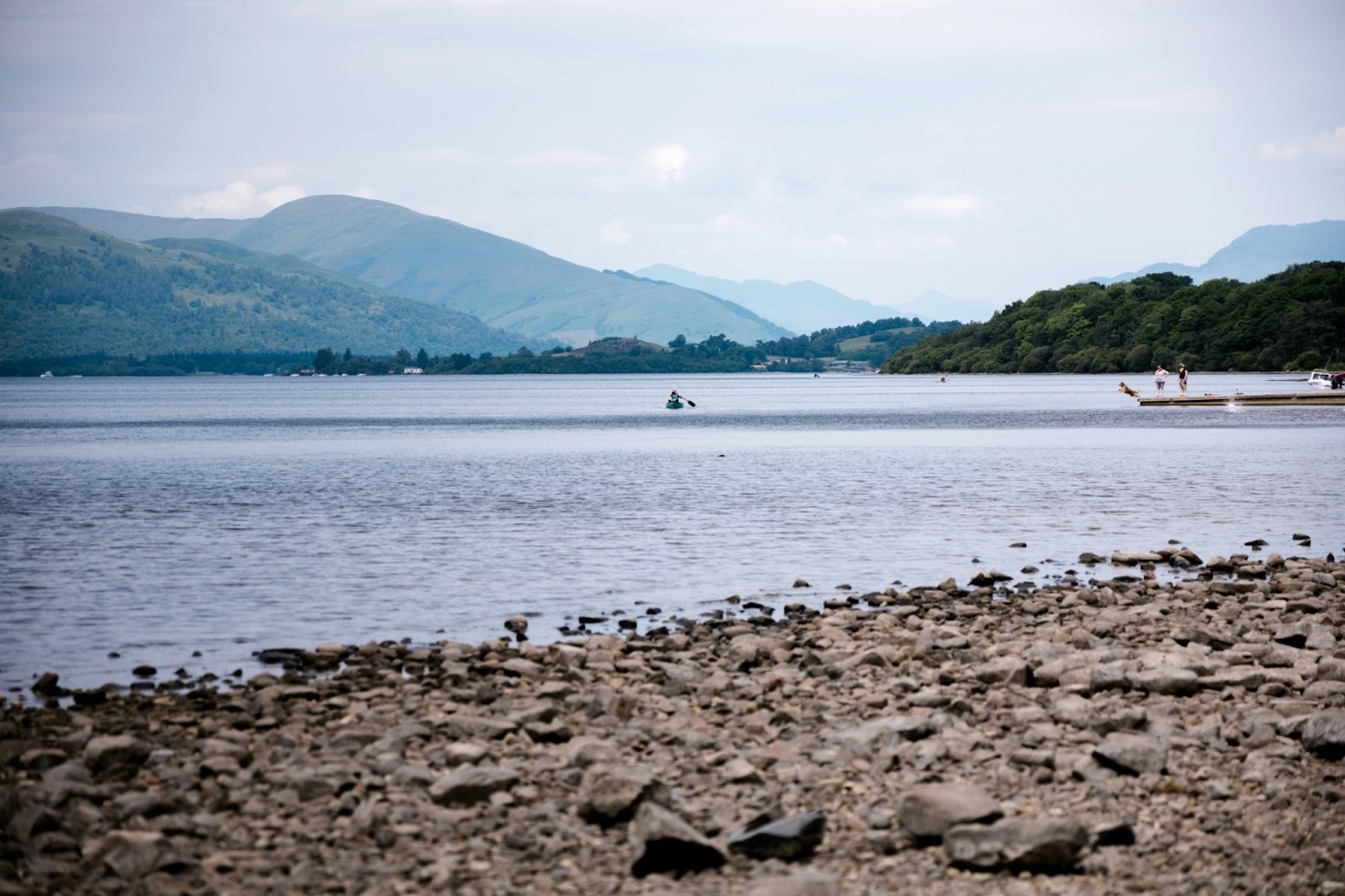
Loch Lomond does not overwhelm through scale alone. Its impact comes from restraint. Water stretches outward calmly. Hills frame rather than dominate. Movement here feels optional, not directed.
Paths along the loch invite walking without agenda. You pause because the landscape allows it, not because it insists. Light shifts slowly, reflected back by water that never feels hurried. The loch holds attention without competing for it.
What lingers is quiet continuity — a sense that the place will remain unchanged by your presence.
Reflection as a Way of Seeing
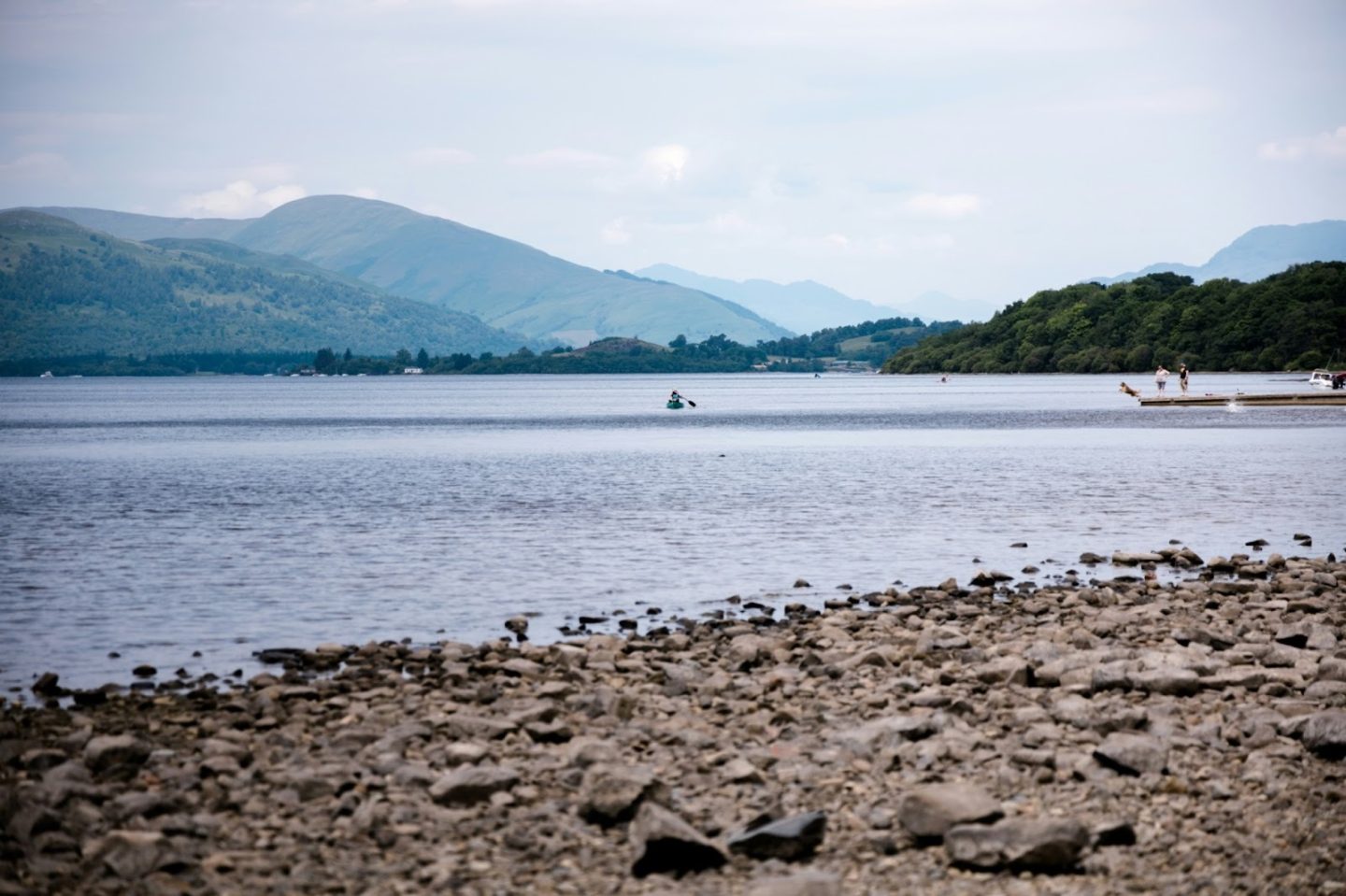
At Loch Lomond, reflection is literal and perceptual. Mountains appear twice — once in stone, once in water. Sound travels differently. Time loosens.
This environment trains patience. You notice weather before destination. Stillness becomes productive rather than empty. The landscape does not offer a narrative; it offers conditions.
Those conditions stay with you long after leaving.
South to North Without Disruption
Scotland’s connections make contrast legible rather than jarring. Movement preserves context.
Taking the London to Edinburgh by train compresses distance while maintaining transition. Urban density thins gradually. Fields widen. The country opens without demanding adjustment. Arrival feels prepared, not abrupt.
That smoothness makes landscapes like Loch Lomond feel more pronounced rather than isolated.
Order, Proportion, and Habit in Dublin
Dublin’s Georgian quarters operate on clarity. Streets align. Buildings repeat. Proportion governs experience more than decoration. This repetition creates calm — not silence, but legibility.
What distinguishes these areas is use. Homes remain lived in. Offices adapt old shells. Cafés occupy ground floors without disturbing rhythm. The architecture absorbs change because it was designed to be flexible.
Order here supports life rather than constraining it.
Streets That Encourage Return
Walking through Dublin’s Georgian districts feels intuitive. Corners arrive where you expect them. Sightlines guide movement gently. You don’t rush because the streets don’t reward rushing.
This predictability creates comfort. You learn the city quickly, not because it simplifies itself, but because it repeats its logic faithfully.
Memory forms through return rather than revelation.
Crossing the Island With Ease
Ireland’s internal journeys continue this sense of continuity. Movement feels connective rather than fragmenting.
The Dublin to Belfast train carries you through changing landscapes without erasing regional character. Cities remain distinct. Pace shifts subtly. Arrival feels conversational rather than declarative.
Travel supports understanding rather than novelty.
Water and Urban Balance
Both Loch Lomond and Dublin rely on water to moderate experience. In one, it expands attention outward. In the other, it regulates scale and movement.
Water becomes reference point rather than feature. It orients behaviour. It slows without stopping. This shared relationship explains why both places feel grounded despite difference.
Design That Teaches Without Words
Neither landscape nor street here requires explanation. The loch teaches patience by remaining still. Georgian streets teach order by repeating proportion.
You respond instinctively. Behaviour adjusts without instruction. This quiet guidance creates ease — a sense that you know how to move without being told.
Such environments remain resilient because they don’t rely on novelty.
Living History Without Display
Loch Lomond and Dublin’s Georgian quarters avoid theatrical framing. History stays visible without being narrated constantly. Use replaces preservation.
The loch remains a working landscape. Streets remain functional routes. Meaning persists because it remains active.
This approach keeps places relevant without forcing reinvention.
Why the Pairing Works
Together, these places demonstrate how calm can be designed and sustained. One uses geography. The other uses structure. Both trust repetition.
Contrast sharpens appreciation. Stillness clarifies order. Order deepens stillness. You don’t choose between them; you carry one into the other.
A Journey That Resets Attention
Moving between reflective landscapes and ordered streets doesn’t overwhelm. It recalibrates. You leave one with heightened awareness and enter the other prepared to notice proportion, rhythm, and pause.
Loch Lomond reflections and Dublin’s Georgian quarters linger not because they impress loudly, but because they adjust how you move through space.
And in that adjustment — quiet, deliberate, and unforced — both places reveal their enduring strength: environments that remain legible, liveable, and worth returning to, long after the journey itself has ended.