
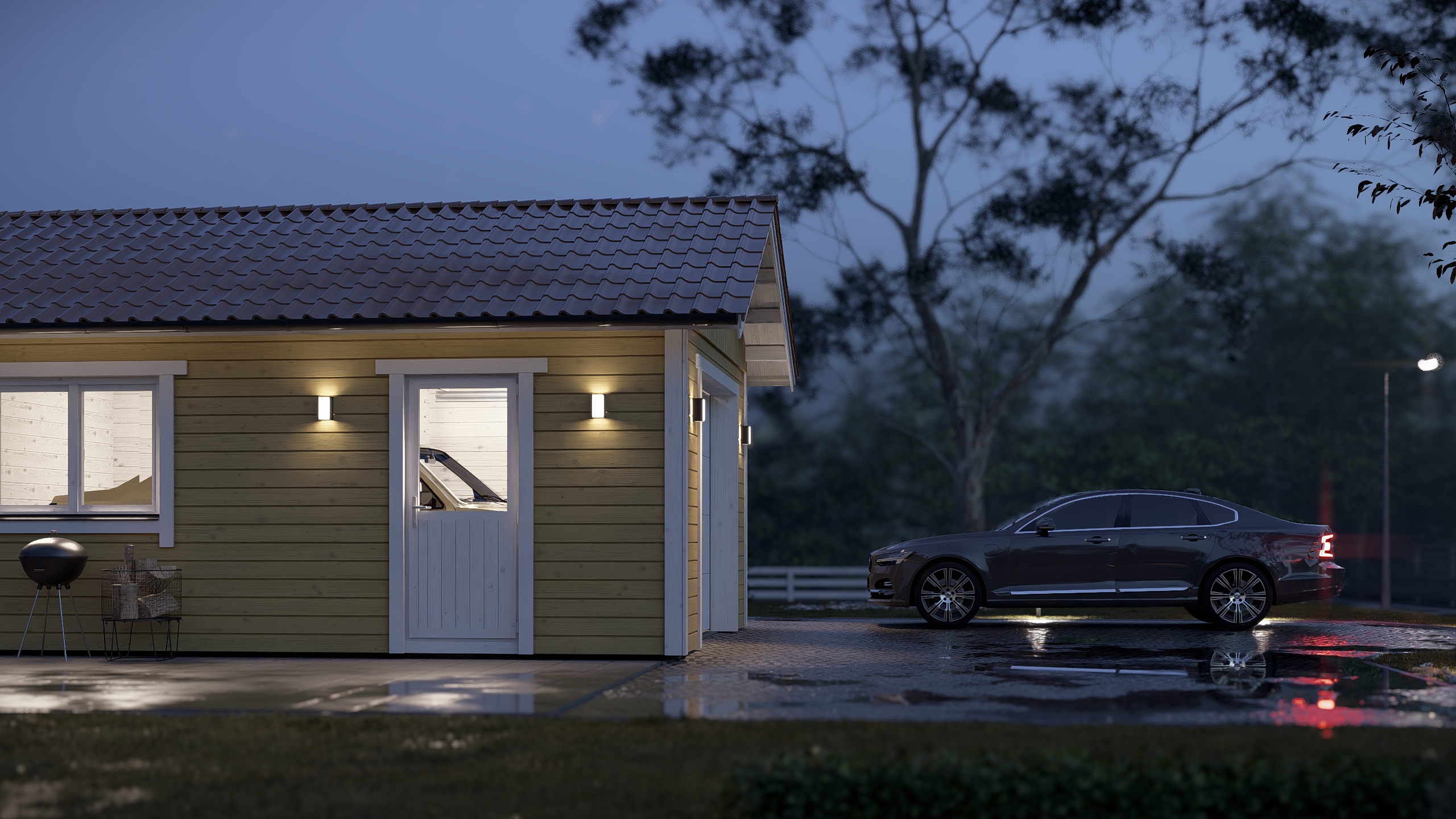
Transform Your Outdoor Space with a Timber Garage
Collaborative guest post
A wooden garage helps improve your home by adding storage space, a work area, or extra living space. It offers a versatile solution for Australian homeowners. Adding a timber garage improves curb appeal and adds value to your home.
The growing trend of purposeful outdoor structures in 2026 highlights the demand for spaces that blend seamlessly with residential aesthetics.
A timber garage is a freestanding or attached structure built mainly from wood that can store or shelter one or more vehicles. Alternatively, it can hold tools or serve as a flexible-use space. It is often chosen for its ability to blend naturally with most home designs.
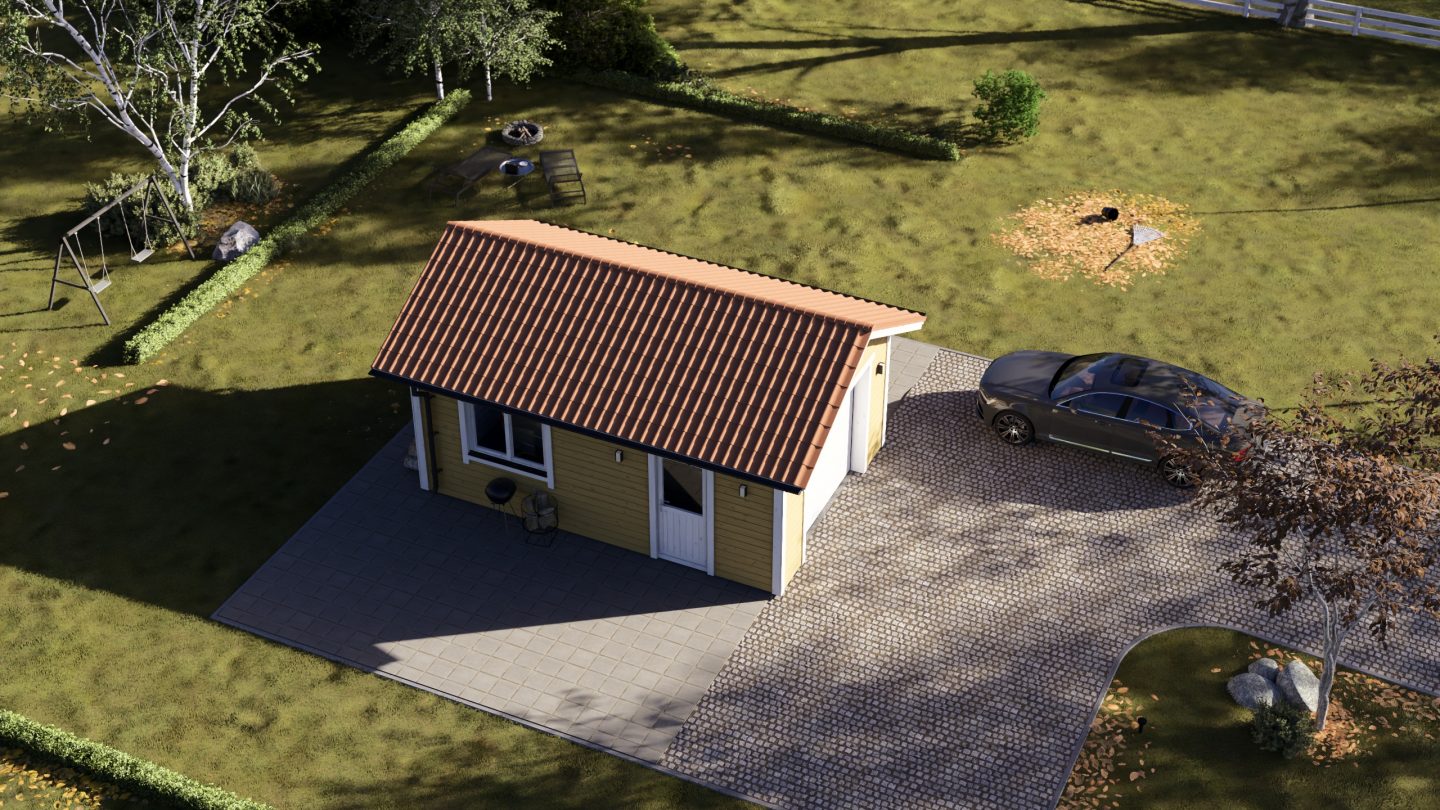
The 3-Zone Timber Garage Framework: Maximizing Your Outdoor Investment
The 3-Zone Timber Garage Framework divides the garage into three functional areas: Active Storage, Seasonal Archive, and Flex Space.
This framework helps homeowners maximize every square foot of space, especially in the 200–400 sq ft range where inefficient layouts are common.
By deliberately zoning different spaces for different functions, a timber garage can become a highly functional extension of the home rather than just a parking space.
- Active Storage: This zone is dedicated to frequently accessed items like gardening tools, bikes, and daily essentials, positioned for easy entry and exit.
- Seasonal Archive: Reserved for rarely used belongings such as holiday decorations, camping gear, or off-season sports equipment, often utilizing vertical space or tucked-away corners.
- Flex Space: A highly adaptable area that can serve as a workshop, home gym, art studio, or even an overflow guest room, designed with appropriate utilities and finishes.
Implementing this framework from the planning stage ensures the timber garage is not just an added structure, but a fully integrated and highly functional asset to the property.
The Practical Benefits of Choosing Timber for Your Garage
Timber offers distinct advantages over other materials for garage construction, combining aesthetic appeal with practical performance. Its natural properties make it a preferred choice for many homeowners.
- Natural Insulation Properties: Timber possesses inherent thermal resistance, contributing to better energy efficiency. While bare steel is essentially R-0, softwood timber has an R-value of approximately R-1 per inch, offering a moderate natural insulating shell.
- Durability and Weather Resistance: When properly treated and maintained, timber garages can offer a lifespan of 15–40 years. Modern pressure-treated lumber, utilizing preservatives like ACQ or MCA, significantly enhances resistance to decay and insects.
- Cost Comparison: While initial kit costs can be low, a professionally installed wood-framed garage averages around £24,000 in the UK. By contrast, basic prefab metal garages can start from £7,000 plus a concrete slab, while concrete block garages tend to be on the higher end due to material and labour intensity.
- Customization and Aesthetic Appeal: Timber provides unparalleled design flexibility, allowing for architectural styles that complement existing homes. It offers a warm, natural look that other materials often struggle to replicate.
The choice of timber provides a balance of cost, aesthetic integration, and functional benefits that enhance the overall property.
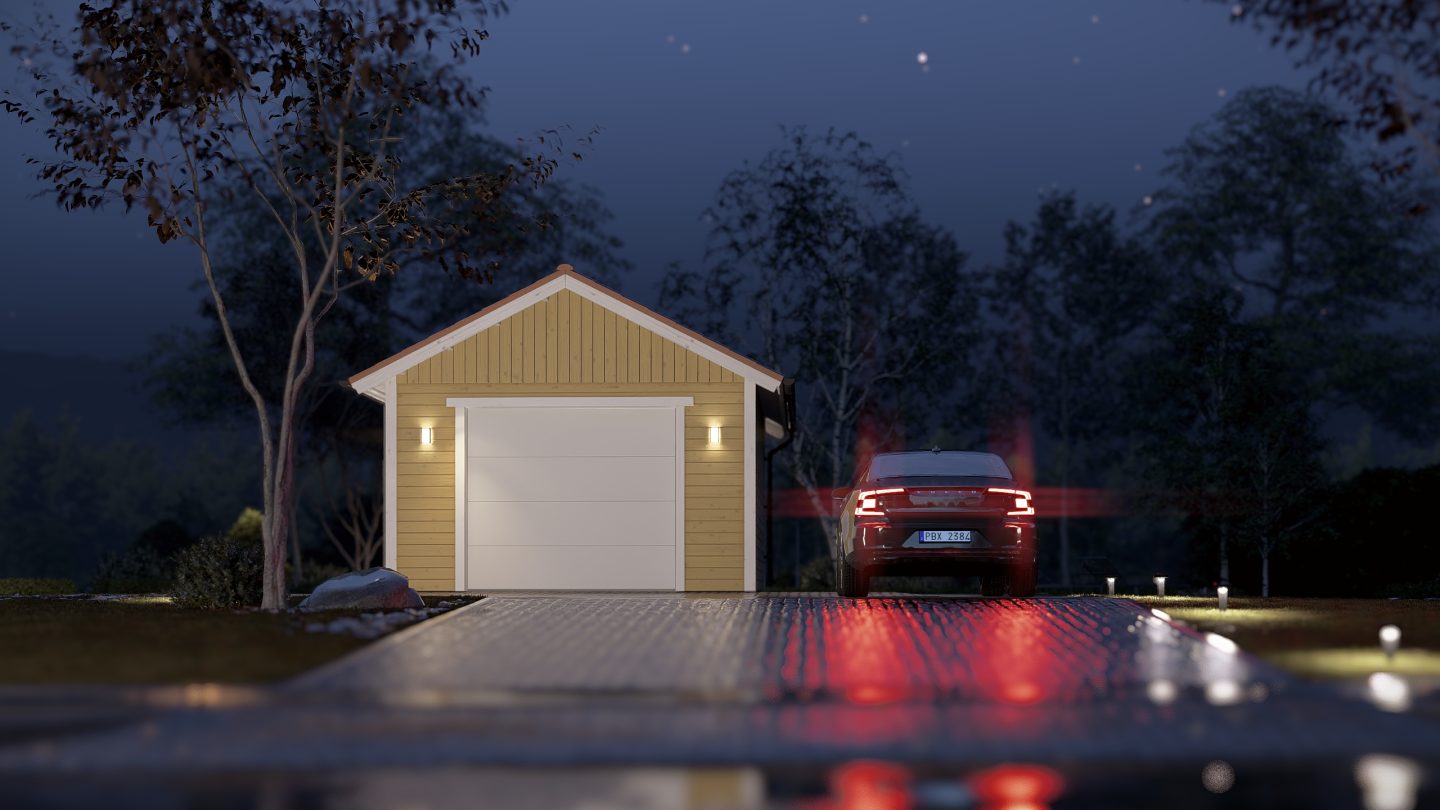
Design Options: From Simple Storage to Multi-Purpose Spaces
Timber garages offer extensive design flexibility and can be customized to suit your specific needs. Contemporary configurations are highly functional and multi-purpose.
Homeowners are increasingly choosing multifunctional designs that combine storage, workspace, and recreational areas.
- Single vs. Double Bay Configurations: Single-bay garages typically range from 3m × 5m to 4m × 6m, suitable for one vehicle and basic storage. Double-bay garages, commonly 6m × 6m to 7m × 7m, accommodate two vehicles or one vehicle with significant workspace.
- Workshop-Ready Designs: Integrating electrical outlets, dedicated lighting, and robust flooring transforms a garage into a functional workshop. Planning for adequate ventilation and bench space during design is critical.
- Combination Garage-Office or Garage-Gym: Multi-purpose garage designs in 2026 often include insulation, heating and cooling systems, and finished interiors for year-round comfort. These designs typically include dedicated parking zones alongside climate-controlled areas for work or exercise.
- Architectural Styles: Timber suits a wide range of architectural styles, from traditional rustic homes to modern minimalist designs.
You can customize features such as roof pitch, cladding, and window styles to match the main house.
Conclusion: Making the Decision That’s Right for Your Property
A timber garage is much more than simply a place to park your car. It is a practical enhancement that improves both functionality and property value. The 3-Zone Timber Garage Framework helps unlock the full potential of your outdoor space by creating dedicated areas for storage, work, and relaxation.
Although the initial investment may be significant, the long-term benefits of added space and functionality make it worthwhile. Additionally, with proper treatment and maintenance, a timber garage can remain durable for many years.
The first steps include researching local permit requirements, defining your functional needs, and obtaining quotes from qualified builders. With proper planning, a timber garage can significantly enhance the functionality and appearance of your property.