Busan’s Coastal Markets and Seoul’s Royal Streets
Collaborative guest post
South Korea’s cities speak in different registers. Seoul articulates authority through alignment and ceremony; Busan answers with movement shaped by tide and trade. Between them lies a shared logic: cities that remain readable because they never sever daily life from history. Streets are crossed, not cordoned. Markets function first, explain later. The result is an urban culture that feels active rather than preserved.
Travel between these places sharpens contrast without breaking continuity. You don’t move from old to new, or quiet to loud. You move between ways of organising attention—one formal and inward-looking, the other open and outward-facing—each clarifying the other.
Procession, Proportion, and Memory in Seoul
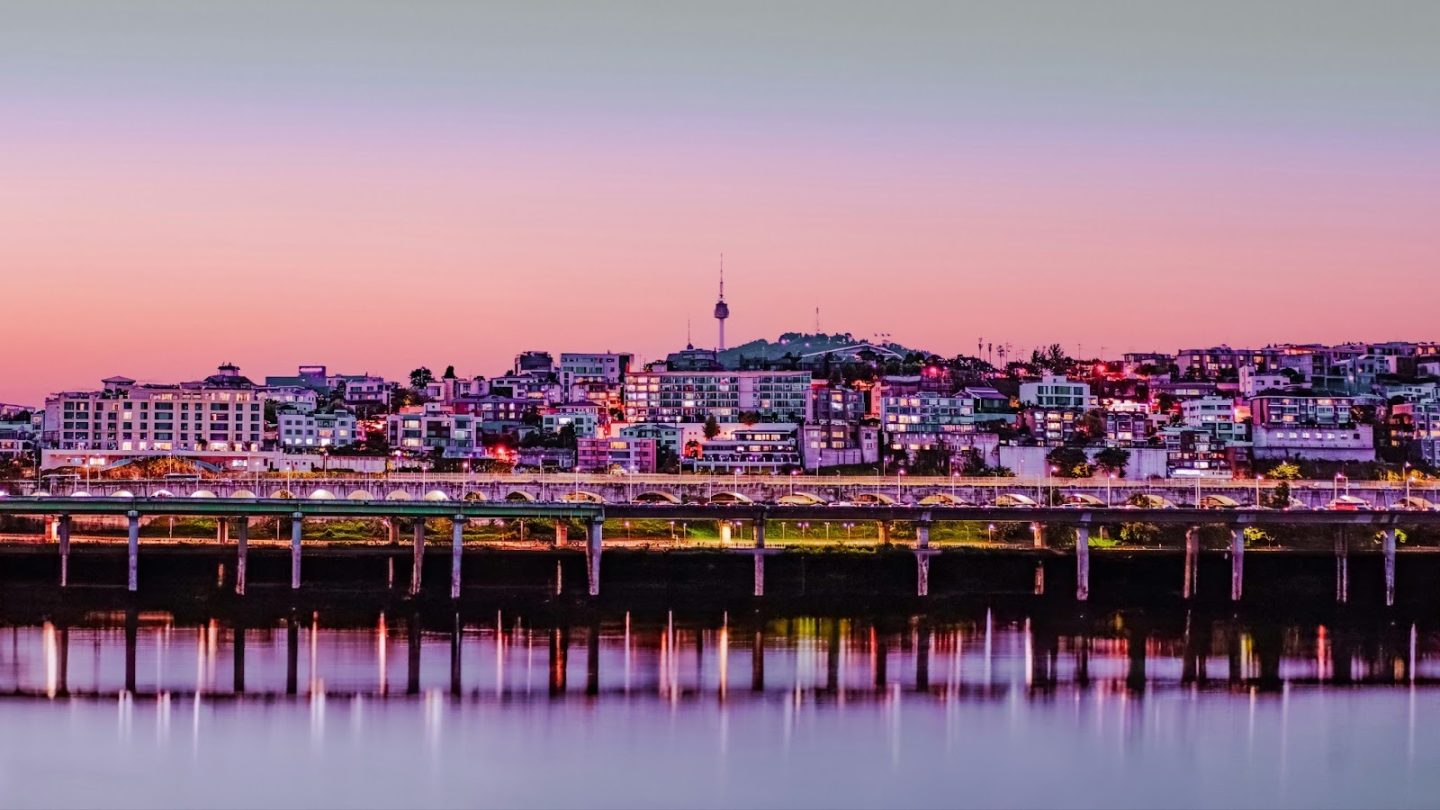
Seoul’s royal streets were designed to be read. Axes align. Gates frame movement. Courtyards control pace. Even today, these spatial decisions shape how the city feels beneath its modern surface. Palaces sit within reach of offices and apartment blocks, not removed from them. History here isn’t isolated; it’s threaded through commutes and errands.
What makes the city compelling is usability. The royal compounds function as public space—places to cross, pause, and recalibrate—rather than backdrops for ceremony alone. Seoul’s grandeur survives because it remains operational.
Streets That Still Teach Order
Walk the avenues radiating from the old centres and you notice how order persists without enforcement. Sightlines guide attention. Stone changes your footing. Sound softens as walls absorb it. The city teaches behaviour through design rather than instruction.
This clarity prevents overload. Density exists, but it’s regulated. You’re rarely unsure where to stand, walk, or wait. Seoul moves quickly, yet meaning doesn’t blur.
Southbound Continuity
The transition between the capital and the coast is famously smooth, but its effect is more than logistical. Boarding the KTX train from Seoul to Busan compresses distance without flattening experience. Suburbs thin, hills appear, and light changes as the country opens outward. Arrival feels prepared rather than abrupt.
Speed here doesn’t cancel context; it preserves it.
Trade, Tide, and Everyday Exchange in Busan
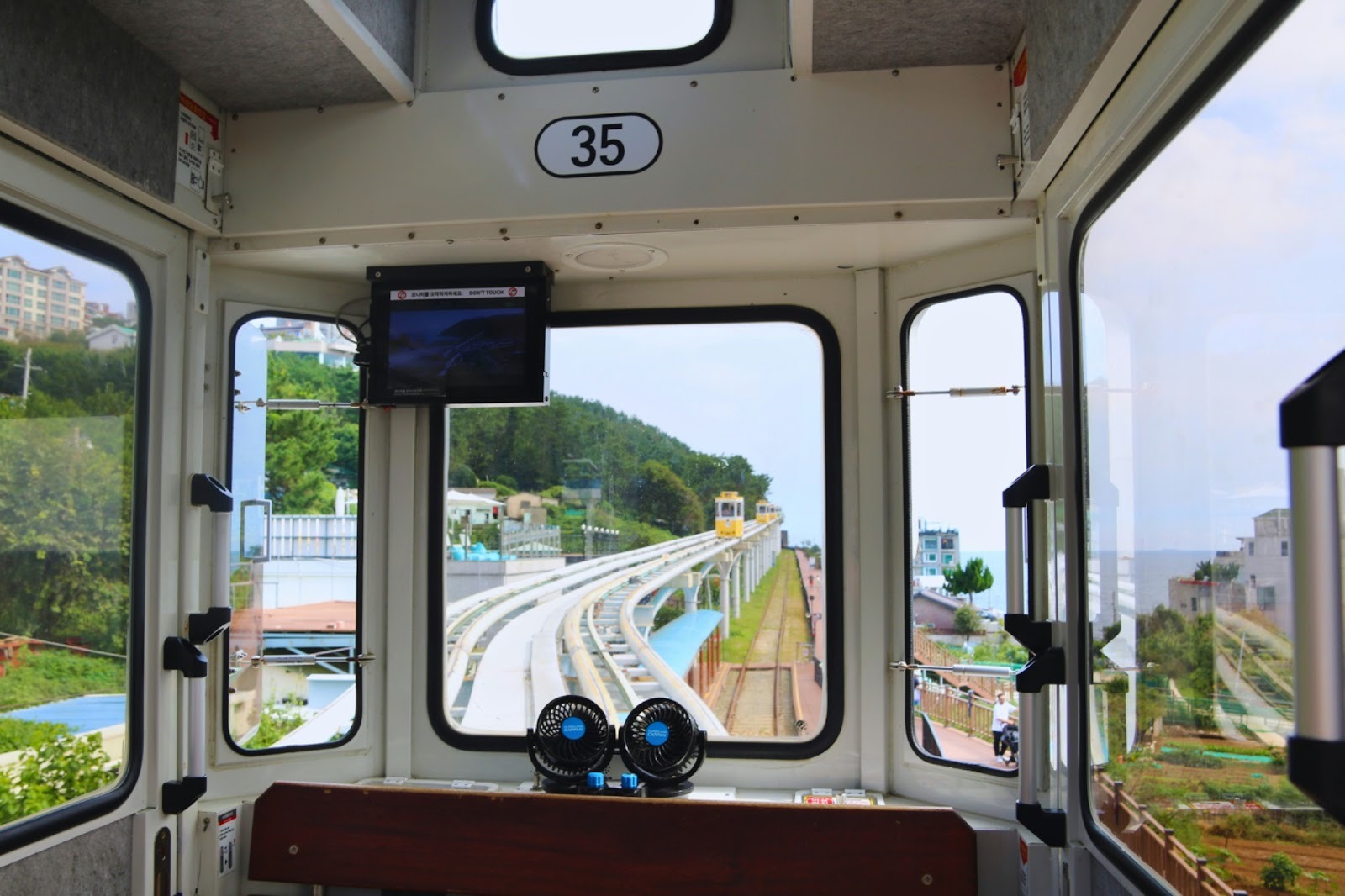
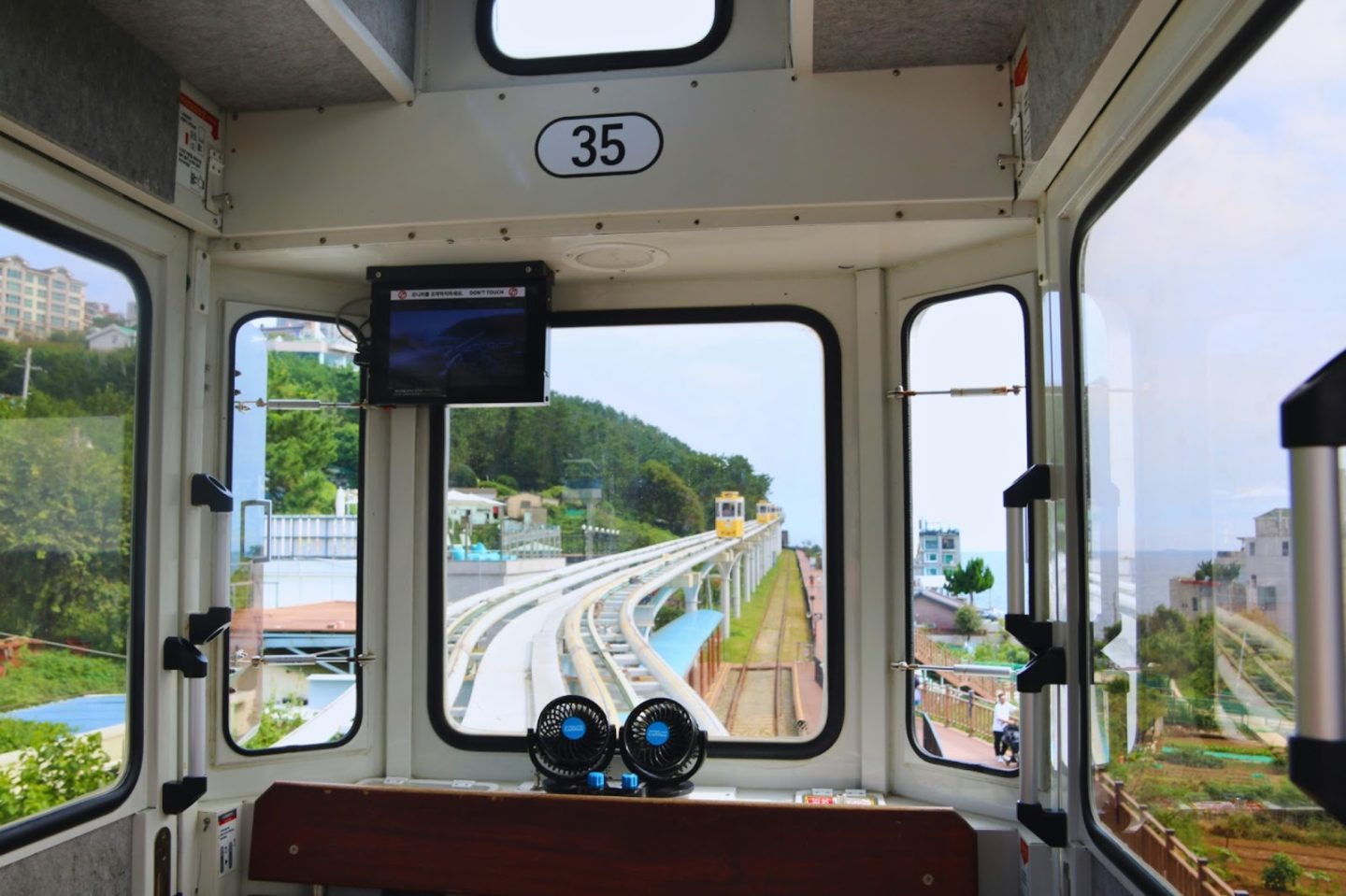
Busan’s identity is shaped by water. Streets slope toward harbours. Neighbourhoods open to wind and light. The city breathes differently because space disperses rather than compresses. Even at its busiest, there’s room to move.
Markets anchor this rhythm. Fish auctions, produce lanes, and street counters operate on timing refined by tide and habit. Transactions are brisk, social, and grounded. You learn the city by watching how work gets done.
Coastal Markets That Carry the City
Busan’s markets aren’t showcases; they’re systems. They feed neighbourhoods, employ families, and orient daily schedules. Noise functions as navigation. Smell marks direction. Regulars know where to stand and when to speak.
What endures is trust—between vendor and customer, between routine and improvisation. These markets remain central because they remain useful.
Water as Public Space
Along the waterfront, movement loosens. Paths invite long walks without destination. The sea reflects light upward, softening edges and tempering pace. Here, the city’s outward-facing character becomes legible.
Busan doesn’t frame itself for viewing; it offers participation. You’re expected to move with it.
A Detour That Clarifies Balance in Jeonju
Between royal order and coastal exchange, Jeonju provides a different register—one tuned to craft, continuity, and care. Taking the Seoul to Jeonju train shifts emphasis from scale to texture. Streets narrow. Repetition deepens meaning.
The city’s hanok districts aren’t museums. They’re lived in, repaired, and adapted. Craft persists because it’s practiced—food prepared the same way, courtyards tended daily, routes repeated until familiarity replaces novelty.
Jeonju clarifies what both Seoul and Busan rely on: habits that make history workable.
Three Cities, One System
Seen together, Seoul, Busan, and Jeonju function as parts of a single cultural mechanism. Seoul provides alignment and memory; Busan supplies exchange and openness; Jeonju sustains craft and continuity. Each city answers a different need without claiming completeness.
Infrastructure supports this balance. Trains connect without erasing difference. Movement feels additive rather than corrective.
How Design Shapes Behaviour
Across these cities, design teaches without signage. Royal streets cue formality. Market alleys cue negotiation. Coastal paths cue pause. You adjust instinctively, guided by surface, sound, and scale.
This legibility keeps urban life humane. Density doesn’t overwhelm because it’s choreographed.
Why the Contrast Endures
South Korea’s urban contrast works because it avoids hierarchy. The capital isn’t framed as more authentic than the coast, nor the coast as more alive than the capital. Each specialises, and the system benefits.
Change arrives quickly, but it’s absorbed into patterns that already function. History remains visible because it remains useful.
A Journey That Sharpens Attention
Moving between Busan’s coastal markets and Seoul’s royal streets isn’t about choosing a favourite. It’s about learning sequence—how order prepares you for exchange, and exchange sends you back to order with clearer eyes.
Together, these cities show how modernity can move fast without losing texture. Streets can teach. Markets can anchor. Trains can connect without collapsing difference.
And in that balance—between procession and tide—South Korea’s urban life continues to feel grounded, legible, and very much alive.

![Advice To Help You Get & Stay Physically Fit [AD]](https://plutoniumsox.com/wp-content/uploads/2022/10/fitness.jpeg)

![How To Choose A Bike Helmet? [AD]](https://plutoniumsox.com/wp-content/uploads/2018/08/20180804_160646-01.jpeg)