
Gourmet Narratives: Belgian Chocolate Traditions and Provençal Gastronomy
Collaborative guest post
Cocoa in the Air Before You Notice It
You don’t always realise when chocolate becomes part of the atmosphere. In Brussels, it happens gradually. You walk a few streets, pass a tram line, pause at a crossing, and somewhere in between the scent appears. Not strong. Not sweet in an obvious way. Just present.
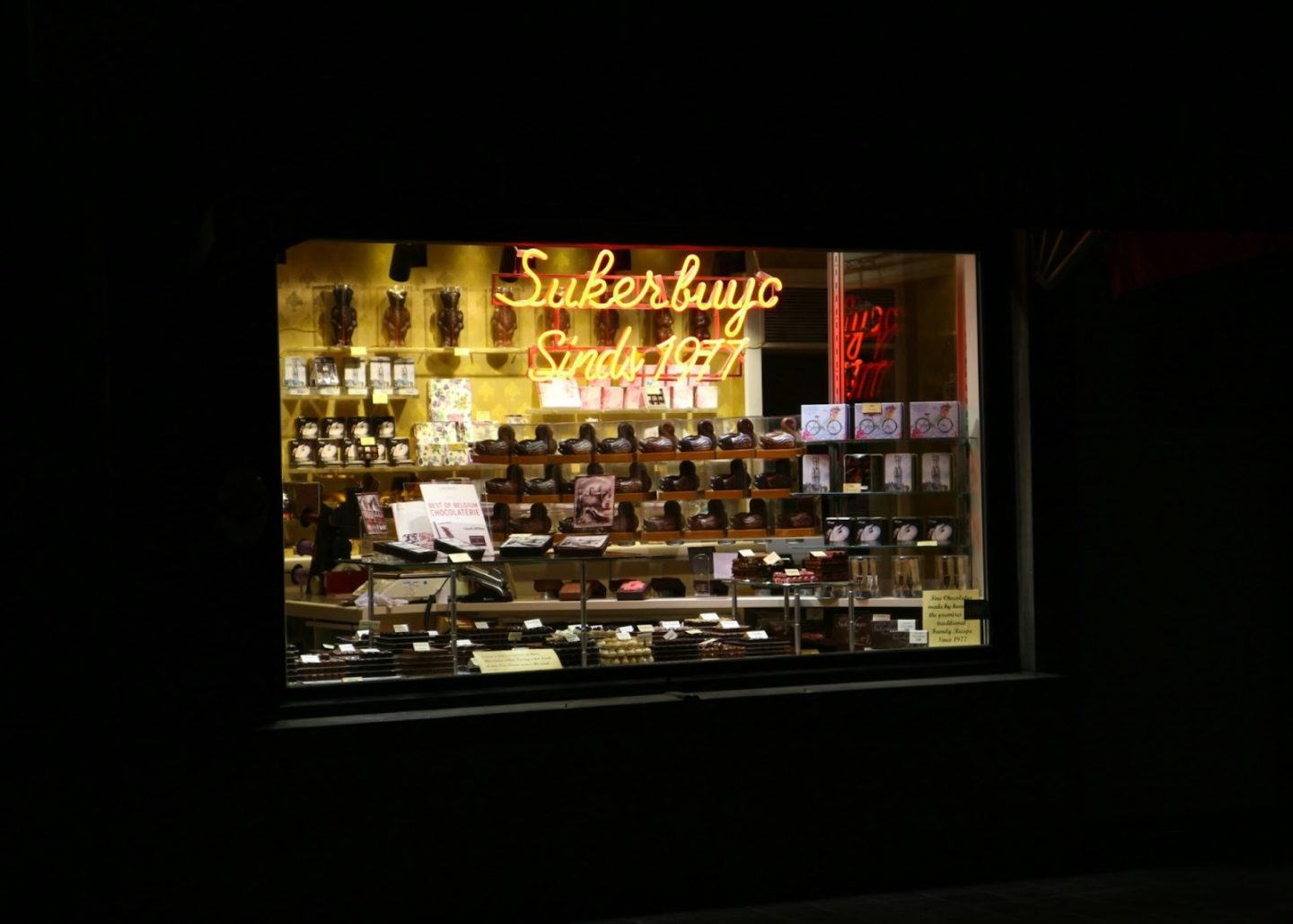
The windows are calm. Boxes arranged without urgency. Pralines aligned, then slightly misaligned, as if someone adjusted them and then stopped caring about perfect symmetry. Inside, the room feels warmer than the pavement outside. There’s a softness to the light. It lands on polished counters and stays there.
Between Cities, Without Emphasis
The Brussels to Paris train leaves almost without ceremony. Seats fill. Luggage settles. The doors close with a sound that feels more mechanical than meaningful. Fields move past in wide, unbroken stretches. A farmhouse appears, then disappears. You stop noticing exactly when one country gives way to another.
There is something about eating chocolate on a train that feels slightly impractical, so you don’t. You wait. You watch reflections in the window layer themselves over the landscape. Eventually the scenery changes tone — flatter light, more distant buildings — but the rhythm inside the carriage remains the same. Someone turns a page. Someone adjusts a scarf. Nothing insists on itself.
Paris arrives in fragments. Platforms. Footsteps. A brief rush that doesn’t last long enough to define anything.
What Remains in Brussels
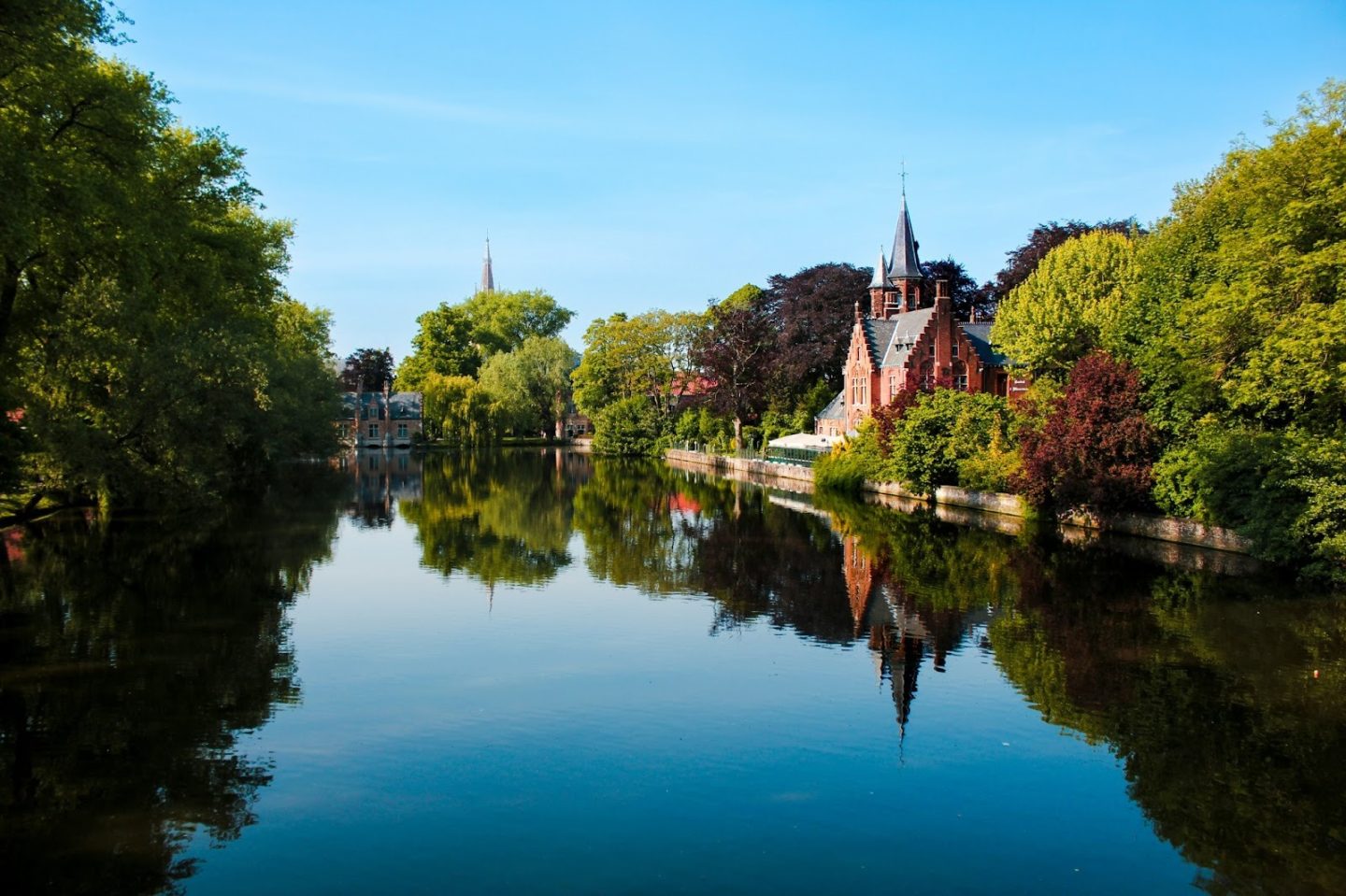
When you think back to Belgium, it isn’t the display cases that return first. It’s texture. The way a praline gives in before it breaks. The faint resistance of dark chocolate just before it softens.
Chocolate there feels interior. It belongs to rooms with thick walls and small tables. It belongs to late afternoons when the sky lowers slightly and conversations stay close to the surface. Even the sweetness feels measured. It doesn’t rush forward. It settles.
There are older shops where the floorboards answer quietly to each step. No music. Just the small sounds of paper and breath and distant traffic. You are handed something without explanation. You taste it without commentary. That seems enough.
A Longer Line South
From Paris, the Paris to Nice train stretches the day outward. The journey lengthens the light. Hours pass in an unhurried sequence: towns with pale façades, then wider fields, then hills that begin to gather themselves.
Somewhere along the way, the air seems to thin. Or maybe that’s imagined. The colours outside the window begin to lean warmer. Stone shifts from grey to something closer to honey. Olive trees appear sporadically at first, then more often, until they feel expected.
Inside the carriage, nothing dramatic marks the transition. The same quiet announcements. The same steady movement. It is only when you step onto the platform in the south that you notice how differently the air rests on your skin.
Open Tables, Uncontained Light
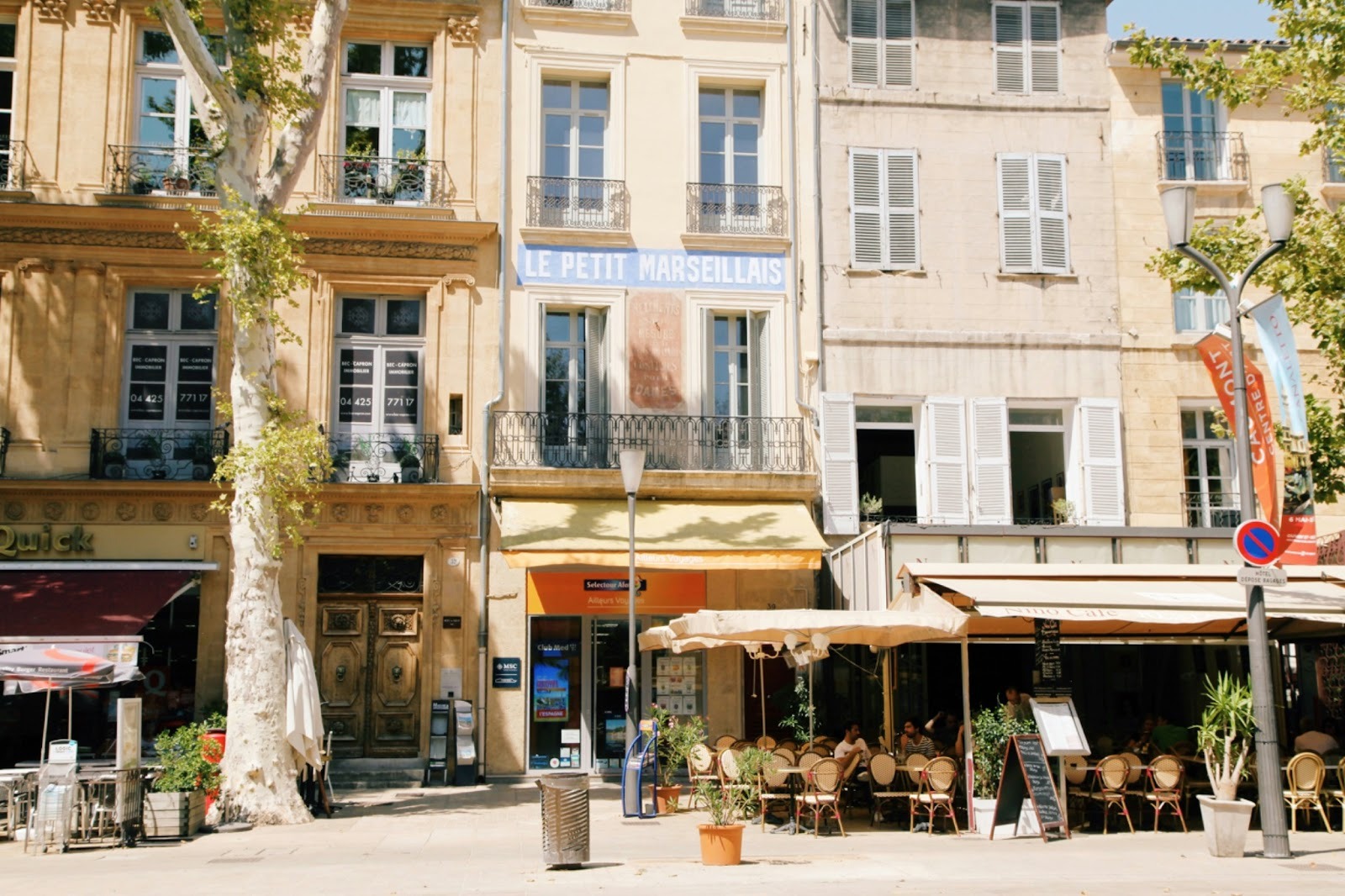
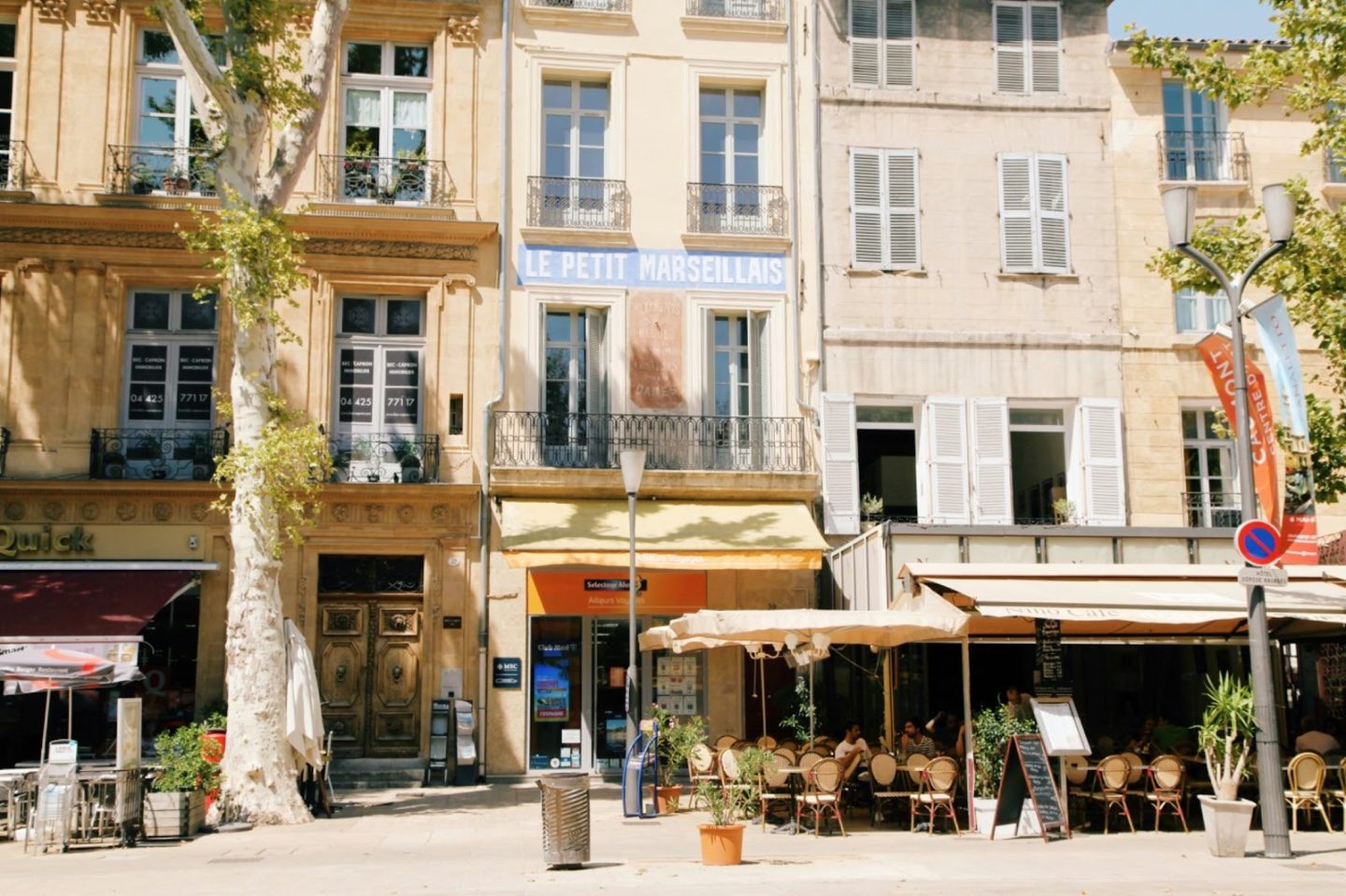
Provence does not hide its food behind glass. It spreads it across wooden tables in open squares. Tomatoes are not polished; they still carry traces of soil near the stem. Olives sit in shallow bowls, their surfaces uneven, almost matte. Bunches of herbs are tied loosely, as though they might come undone at any moment.
There is less enclosure here. Less wrapping. Bread is torn, not sliced with precision. Oil is poured in a line that wavers slightly before settling. Anchovies lie across tomatoes without symmetry. The act of eating feels less contained, as if it belongs partly to the air around it.
Markets begin early. By midday they have already shifted. Voices rise and lower again. Someone rearranges figs without much purpose. The light does most of the work, settling across awnings and shoulders and stone walls, making everything appear briefly suspended.
Two Kinds of Patience
Belgian chocolate depends on temperature. On waiting for the surface to set before touching it again. On understanding when something has cooled enough to move.
Provençal cooking depends on time in a different way. Stews left alone. Garlic softened slowly in oil. Vegetables resting with salt before being served.
Neither announces itself as tradition. It is simply repetition. Done for years. Done again tomorrow.
When memory begins to blur the edges of place, what remains are small details. The sound of a chocolate shell breaking cleanly. The slight stickiness of olive oil on fingertips. The way sunlight in the south seems to arrive earlier and stay longer than expected.
Later — perhaps much later — the distinction between north and south becomes less important than the continuity between them. The train rides blur. Stations merge. Cocoa and rosemary sit side by side in recollection without competing.
Eventually the narrative thins. What stays is quieter than description. A smooth surface giving way. A market table shifting in the wind. The low, continuous movement of wheels on track carrying you somewhere that, at the time, did not feel especially different at all.
Nothing dramatic is happening. Someone folds paper. Someone taps a mould against a surface to release air bubbles. A tray slides quietly onto a rack. The work seems repetitive in the way good things often are — done again and again until hands no longer hesitate.
Later, you carry a small box without opening it. The weight is surprisingly reassuring.
![Do You Glue or Click Vinyl Flooring? [AD]](https://plutoniumsox.com/wp-content/uploads/2022/08/12.jpg)

![Elements Tested During an MOT: The Ultimate Guide [AD]](https://plutoniumsox.com/wp-content/uploads/2022/07/car-mot.jpeg)
![The Pros and Cons of a Loft Conversion [AD]](https://plutoniumsox.com/wp-content/uploads/2024/01/attic-112268_1280.jpg)
![Pilates And Lower Back Pain [AD]](https://plutoniumsox.com/wp-content/uploads/2022/08/yoga-g5ff89f443_1280.jpeg)
