Life in two dimensions
I wrote the below post not long after Libby was first diagnosed with a squint. Unfortunately, by the time we realised there was something wrong, it was too late to correct her 3D vision. If you have concerns about a baby looking cross eyed, do get them checked out by a GP even if the health visitors haven’t picked up on it. Libby can see fine now and looks beautiful in her glasses but I do wish we had picked it up earlier so that she could have had a chance of ending up with perfect vision.
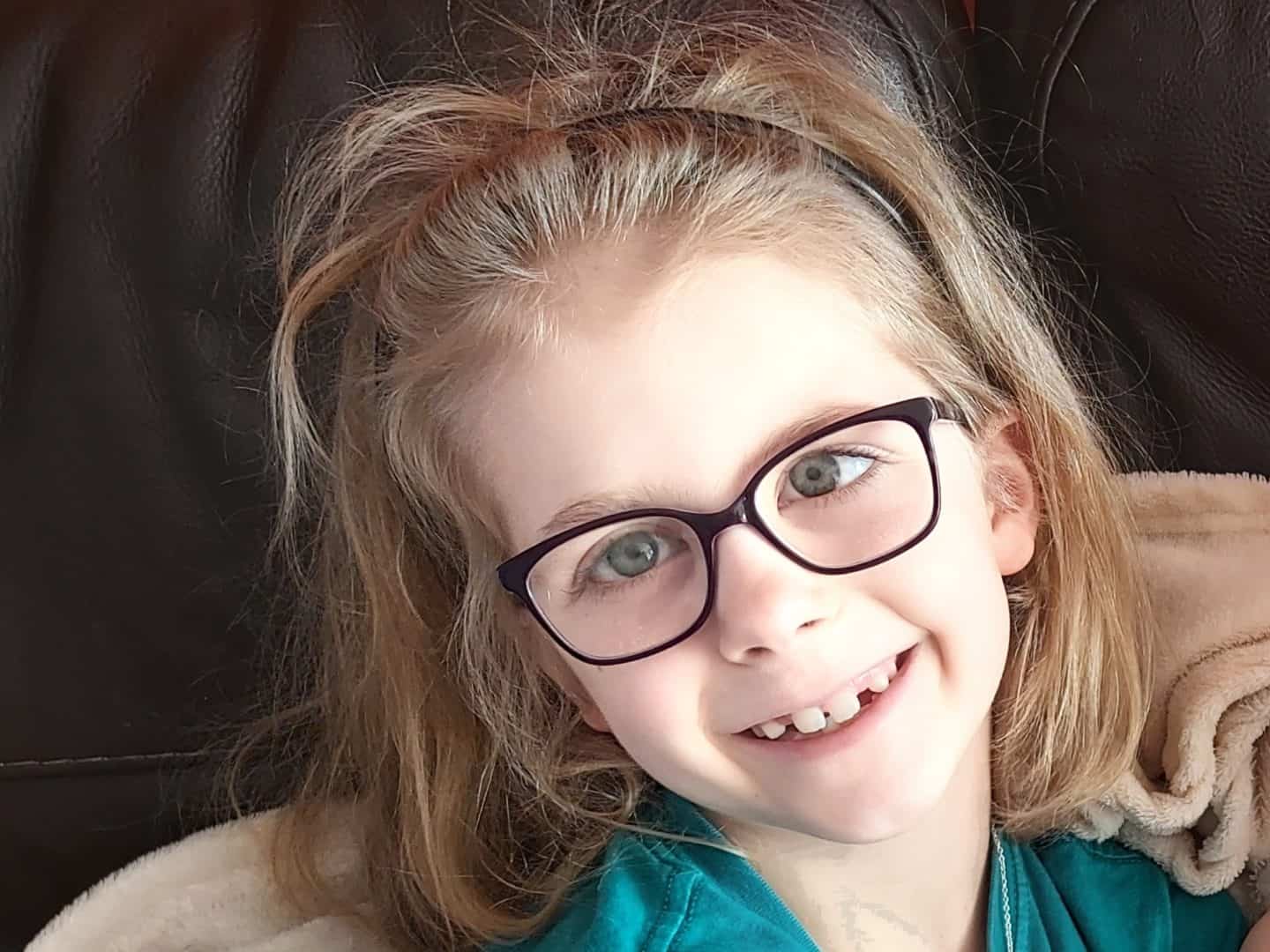
How we realised our baby had a squint
A few months ago, a friend of ours who is a doctor mentioned that Libby’s eyes didn’t look like they were focusing properly. It turned out that they should have been working normally by then. The main impact of this is that she often looks quite cross-eyed. He recommended that we take her to the GP so that they could refer us to an eye specialist. Since then, we have had a few trips to a couple of hospitals. Various eye tests, a few nasty eye drops and some talk of surgery. We settled on her having surgery when she turns two. This is apparently when it is likely to be the most successful.
What it means when a baby or child is diagnosed with a squint
Despite speaking to several ophthalmologists, nurses and doctors over the past few months, today was the first time that anyone explained to us that Libby’s sight would be irreparably effected by this problem. It turns out that the surgery will make Libby’s eyes move together. However, because she didn’t learn to use both eyes at the same time before the age of three months old, she never will.
This means that she will never be able to see the world in three dimensions like everyone else. She will never have any depth perception and will struggle to know how far away things are. She is likely to be clumsy and frequently bump into things. They have explained that this is generally unlikely to effect her in every day life. Equally though, there are some professions that she would not be able to go into because of her eyesight such as a pilot or a surgeon.
How we felt about finding out our baby would not see in 3D
It is strange to imagine not being able to see in three dimensions. I am trying to get my head around the world that she lives in. I suppose it would be a bit like watching the world on a television screen. Everything is flat. I wonder how this will effect her later in life. I am sure that there must be some advantages to living in a two dimensional world. Maybe it will be easier for her to focus on one thing at a time? Or could it will be more difficult? Perhaps she will be good at painting and drawing things because she sees things in two dimensions so it might be easier to put what she sees onto paper?
I am slightly disappointed that Libby will never see the world in the same way that I do. However, I am equally determined to make the best of the situation for her. I’m off to research what her strengths are likely to be and how I can help her to maximise them. Does anybody else have any experience of this sort of thing and how it will effect her?