
4 Proven Vehicle Care Steps Families Must Know
Collaborative Guest Post
Picture this. The cooler is packed, the tablet is loaded with cartoons, and the kids are already debating seatbelt territory. You slide behind the wheel for your family trip, only to hear an ominous click instead of the engine’s purr.
To spare you from an unexpected delay, we’ve distilled vehicle prep into a simple, repeatable, three-pillar ritual. This guide will help you protect your investment, maintain critical systems, and explore with confidence.
- Protect your investment for the long haul
- Maintain eight critical systems before every trip
- Explore confidently with a 25-item emergency kit in the trunk
Follow these steps, and you will spend less time worrying about the “getting there” part of your trip. You can focus more on enjoying what really matters, making memories with the people you love.
Shield Your Vehicle for the Long Haul
Why Long-Term Protection Matters for Family Cars
Family vehicles endure more than the daily commute, from scuffed door sills to dripping juice boxes. With the average vehicle age at 12.6 years, proactive protection is crucial. Add sun and tree sap to the mix, and that paint can lose its lustre and resale value fast.
Product Spotlight: Custom-Fit Car Covers
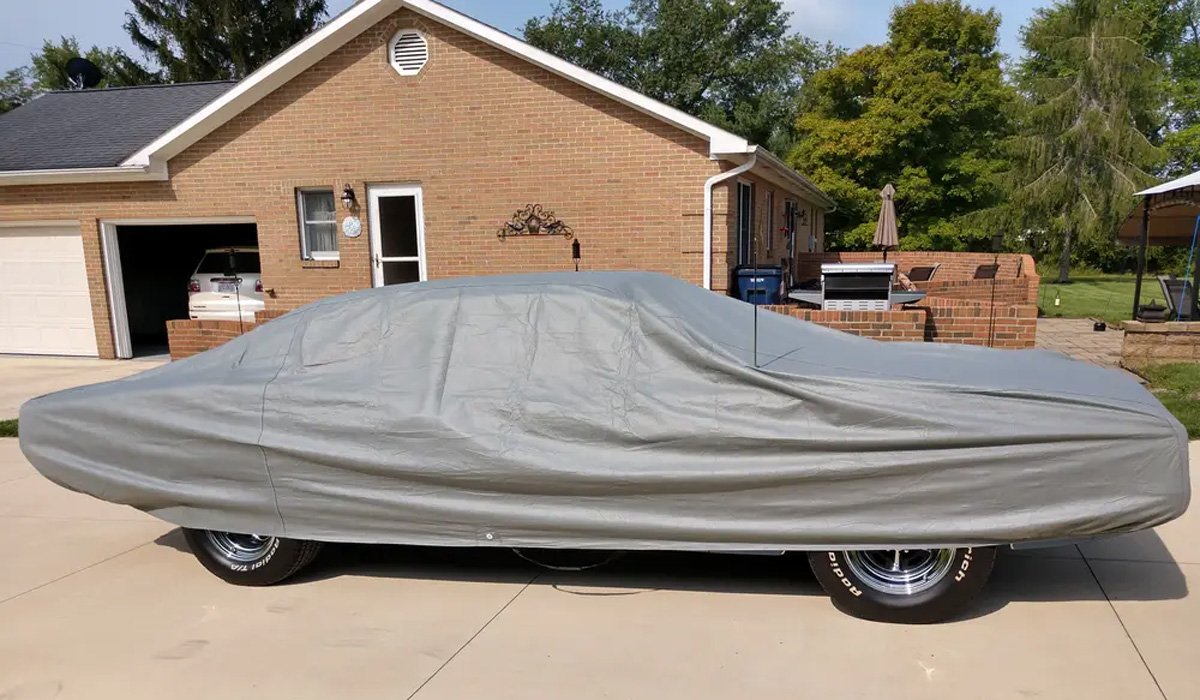
A tailored car cover acts as a shield against UV rays, dust, pollen, and errant scooter handlebars. Unlike generic covers, a custom-fit option hugs every curve for year-round defence without scratching the paint.
For detailed sizing and material options, the resource for expertly-tailored custom car covers from Car Covers Factory online helps you with measuring and climate considerations.
Measure Once, Protect for Years
- Measure bumper-to-bumper length and widest mirror-to-mirror width.
- Note extra height for roof racks or aftermarket spoilers.
- Choose fabric weight based on climate: lighter for indoor, multi-layer for four-season outdoor use.
Product Spotlight: HeavyLift Garage-Mounted System
Large families mean lots of gear, which can clutter a garage and make maintenance difficult. A ceiling-mounted hoist, such as HeavyLift Direct’s premium garage lift system, frees up floor space and can raise the vehicle for at-home repair work. Lifting to eye level means safer brake inspections, quicker tyre swaps, and less crawling on the floor.
8 Crucial Checks Before You Hit the Road
A 20-minute inspection before you leave can save you hours of waiting on the side of the road. These checks are simple enough for anyone to perform.
- Tyres: Check tread depth with a penny and set pressure to the door-jamb spec when tyres are cold.
- Fluids: Top off oil, coolant, brake fluid, and windshield washer fluid while looking for leaks beneath the car.
- Battery: Inspect terminals for corrosion; a quick wire-brush cleaning can prevent a tow.
- Brakes: Listen for squeals and feel for pulsations. If you are in doubt, schedule a professional inspection.
- Lights & Signals: With your car parked near a wall at night, switch each light on to spot any dimming bulbs.
- Climate Control: Verify the A/C blows cold and the heater clears fog quickly to keep everyone comfortable.
- Wiper Blades & Windshield: Replace blades every 6-12 months and fill the washer reservoir.
- Emergency Kit Placement: Make sure your kit is accessible and not buried under luggage.
| Pro Tip: Don’t just check your vehicle before big trips. Add these 8 crucial maintenance checks to your calendar. |
Build the Ultimate 25-Item Car Emergency Kit
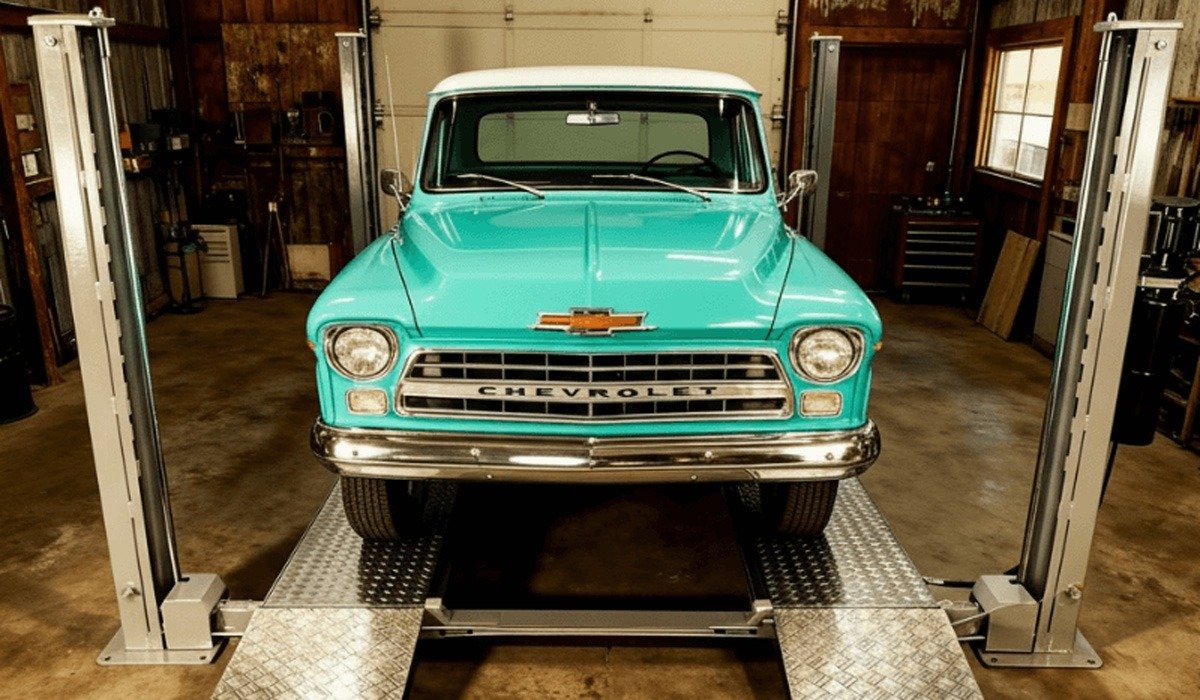
Photo from HeavyLiftDirect
Why Every Family Needs One
According to a survey by FinanceBuzz, only 48% of drivers say they can change a tyre without assistance. A well-stocked kit transforms potential panic into a planned, manageable response. It empowers you to handle common issues without waiting for help.
The Comprehensive Checklist
Use this checklist to ensure you have everything needed for a safe journey. We’ve organised it by priority to make gathering items simple.
- First-aid kit
- Jumper cables
- Portable tyre inflator
- Reflective triangles
- High-visibility vest
- LED flashlight & extra batteries
- Multi-tool
- Duct tape
- Bungee cords
- Quart of engine oil
- A gallon of coolant
- Collapsible water container
- Non-perishable snacks
- Blankets
- Rain poncho
- Work gloves
- Phone charger & power bank
- Emergency contact list
- Cash in small bills
- Tire pressure gauge
- Spare fuses
- Fire extinguisher
- Window breaker/seatbelt cutter tool
- Zip ties
- Paper maps
| Key Insight: An emergency kit isn’t just a collection of items. It’s a pre-planned response system that transforms a moment of roadside panic into a manageable, controlled situation. |
Seasonal Add-Ons
For winter travel, add an ice scraper, thermal blankets, and cat litter for traction. In the summer, include extra coolant, a sunshade, and electrolyte drink mix.
Maintenance & Update Schedule
- Replace expired snacks and meds every six months.
- Test batteries quarterly.
- Restock any item used immediately after you get home.
Set a recurring phone reminder to stay on track with your kit’s maintenance.
Quick-Hit FAQ
Q: How often should I rotate my tyres?
A: You should rotate your tyres every 6,000-8,000 miles, or at every other oil change. This practice evens out tread wear and significantly extends the life of your tyres.
Q: Conventional vs. synthetic oil: does it matter for short trips?
A: Yes, it does. Synthetic oil is better at resisting breakdown from the frequent cold starts and stop-and-go driving that are common in short family commutes.
Q: Which fluids can I top off myself?
A: You can easily top off washer fluid, coolant, power-steering fluid, and motor oil. Just be sure to use the manufacturer-recommended type for your specific vehicle.
Your Next Steps
Protect, Maintain, and Explore is the simple ritual for road readiness. Start by protecting the exterior with smart solutions like custom car covers and clearing garage space. Next, maintain the eight key systems before every big drive.
- Protect your vehicle’s exterior and create a safe maintenance space.
- Maintain the eight key systems before every large trip.
- Explore with confidence, knowing a well-stocked kit is with you.
This weekend, audit your garage by checking your fluids and printing the emergency checklist. Then share this guide with another road-tripping family. You’ll both enjoy the peace of mind that comes from making vehicle care a part of your routine.

![Pilates And Lower Back Pain [AD]](https://plutoniumsox.com/wp-content/uploads/2022/08/yoga-g5ff89f443_1280.jpeg)

![Stopping Wet Weather from Damaging Your Home [AD]](https://plutoniumsox.com/wp-content/uploads/2023/05/lightning-gba8692503_1280-1.jpg)