
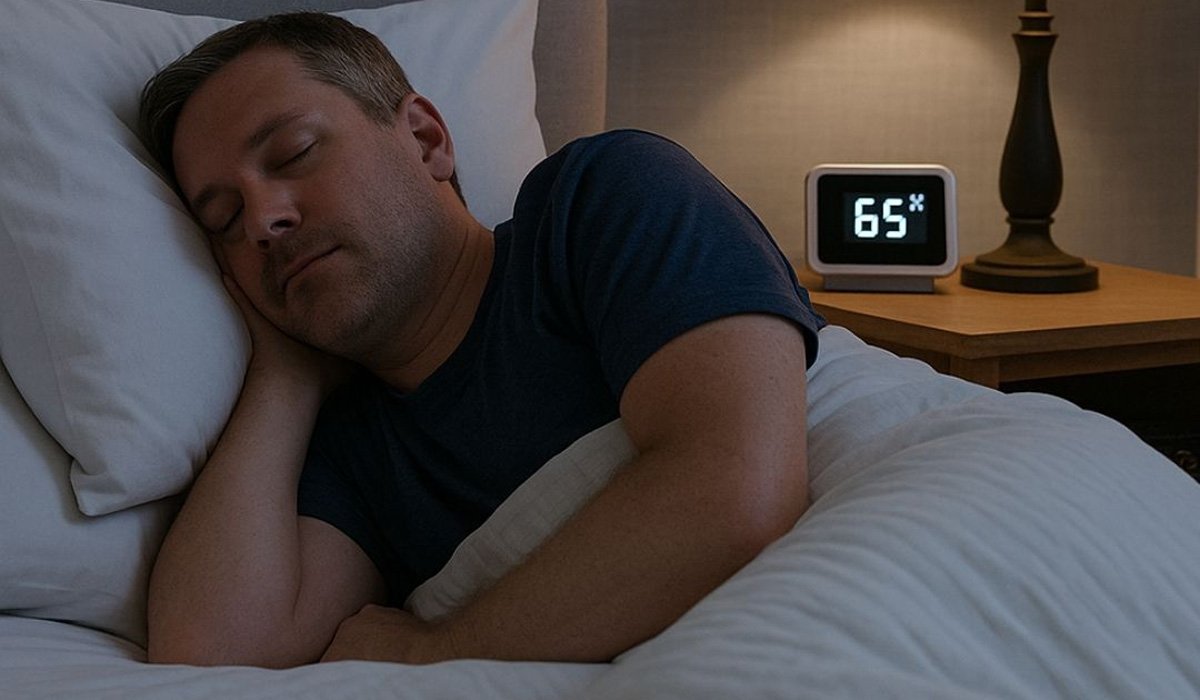
Independence by Day, Restful Sleep by Night
Collaborative Guest Post
Mornings shouldn’t begin with anxiety. Yet many “sandwich-generation” families wake up exhausted from a night of CPAP alarms and a dawn worry-check of “Did Mom make it home after her sunrise stroll?” If you’re balancing kids’ schedules, demanding jobs, and ageing parents who cherish independence, you already live on a tightrope.
A Modern Framework for Family Well-Being
Imagine a 24-hour support system that guards your parents’ daytime freedom and guarantees everyone’s nightly rest.
This article introduces a simple, two-pillar framework of real-time safety tracking and clinically proven sleep therapy. This approach delivers round-the-clock peace of mind without sacrificing independence or comfort.
The Modern Caregiving Balancing Act
According to the Alzheimer’s Society, more than 6 million Americans live with the risk of wandering due to Alzheimer’s. At the same time, the CDC reports that 1 in 3 adults logs fewer than 7 hours of sleep nightly. When you combine these challenges, caregiver stress can skyrocket, eroding patience, health, and family harmony.
A multigenerational home runs smoothly when daytime safety and nighttime rest are handled as separate tasks. For daytime needs, a GPS tracker for older adults, such as Tranquil’s premium GPS tracker for elderly relatives, delivers simple location sharing and straightforward check-in features.
At night, resources and equipment such as RespShop’s restorative sleep solutions can support more consistent rest for caregivers and loved ones. Framing care in two parts helps keep each priority manageable without turning it into a sales push.
| Key Insight: The modern caregiver’s challenge is twofold: managing a loved one’s wandering risk during the day while securing restorative sleep for the entire family at night. Addressing both is essential. |
Pillar 1: Reclaiming Rest with Effective Sleep Solutions
Sleep Apnea and Family-Wide Fatigue
Obstructive sleep apnea isn’t just a nighttime nuisance; it increases cardiovascular risk and impairs cognitive function for the patient. It also robs caregivers of restorative sleep when every pause in breathing triggers another bedside check.
Studies show that therapeutic CPAP can significantly reduce fatigue and increase energy in patients with OSA. Further research shows that after six months of use, the prevalence of excessive sleepiness was greatly reduced to just 22.3%, underscoring its dual benefit.
CPAP Therapy Explained
CPAP, which stands for Continuous Positive Airway Pressure, is a therapy that gently keeps airways open by delivering pressurised air through a comfortable mask. Today’s machines are a world away from the noisy devices of the past. They can self-adjust, humidify air, and sync to coaching apps, making the therapy more comfortable and effective than ever before.
| Key Insight: Effective sleep apnea therapy does more than protect a patient’s health; it restores the caregiver’s own sleep by eliminating nightly ‘gasp alarms’ and the constant anxiety of bedside checks. |
Pillar 2: Independence Without Fear Through GPS Tracking
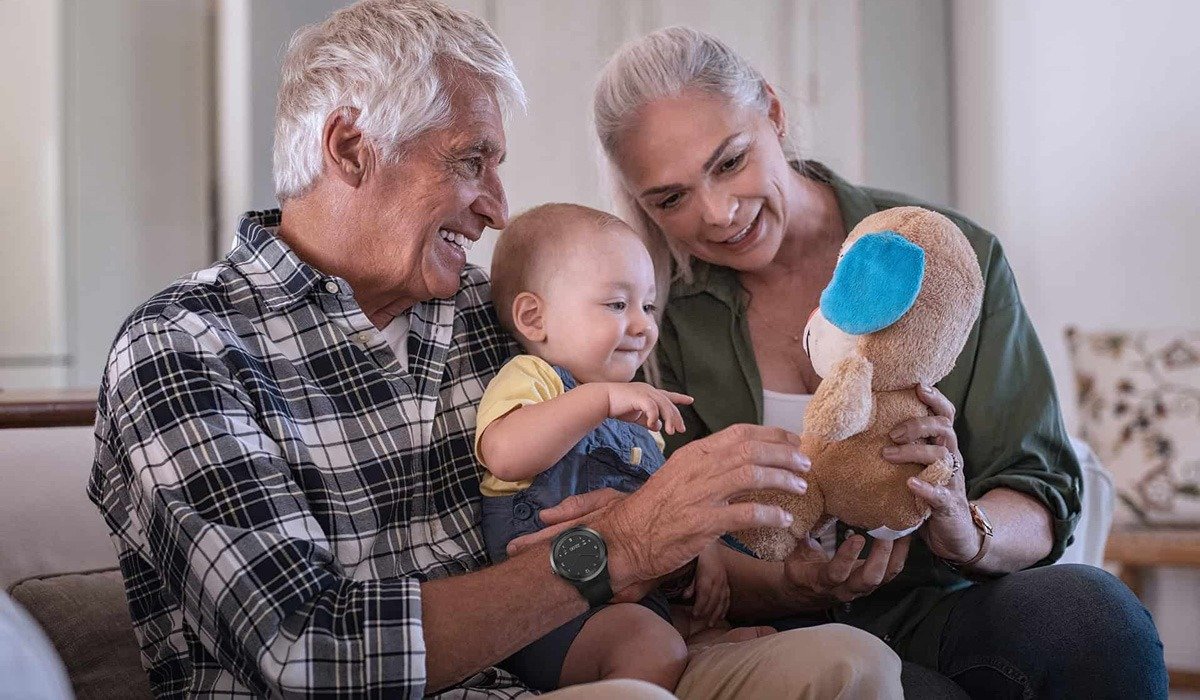
Photo from Tranquil
Why Location-Aware Safety Matters
Most dementia-related wandering incidents resolve safely if the individual is located within the first 30 minutes. After that critical window, the risk of injury climbs sharply. A dependable, wearable GPS solution offers the speed loved ones need and the dignity elders deserve, providing a safety net that encourages freedom rather than restricting it.
Key Features of an Effective Tracker
- Real-time GPS combined with nationwide LTE for street-level accuracy.
- Customizable geofencing to receive instant alerts when someone exits or enters a defined zone.
- An automatic fall-detection sensor with an option for silent SOS escalation.
- A long-lasting battery, ideally up to a week, with simple wireless charging.
- HIPAA-grade encryption and caregiver-controlled data sharing for privacy.
- An intuitive caregiver app for both iOS and Android platforms.
For families who value style as much as function, a discreet watch design can blend with everyday outfits, removing the stigma associated with traditional medical alert devices.
| Pro Tip: Use customizable geofencing alerts to be proactively notified if a loved one strays. This transforms a potential emergency into a simple, gentle course correction before a crisis occurs. |
Two Pillars, One Peaceful Home
Picture a 24-hour timeline: daylight confidence knowing a loved one is protected by alerts if they wander, followed by lights-out serenity where every family member breathes freely and quietly.
This dual approach reduces cortisol, strengthens immune function, and frees emotional bandwidth for what truly matters. It allows families to share memories, not just manage crises, making it the new baseline of a healthy multigenerational home.
| Safe Sleep: Safety tracking plus sound sleep is not a luxury combination. It is the new baseline for a healthy multigenerational home, empowering families to share memories, not just manage crises. |
Frequently Asked Questions
Q1: How secure is the location data from a GPS tracking device?
Reputable devices use end-to-end encryption, store data on HIPAA-compliant servers, and ensure that location information is viewable only by approved caregivers through a secure app.
Q2: What happens if a GPS device loses its primary signal?
Advanced trackers automatically switch to secondary methods like Wi-Fi and Bluetooth triangulation to estimate location. They will push the last-known coordinates until the primary LTE signal returns.
Q3: Does health insurance typically cover CPAP purchases?
Yes, most private insurers will reimburse the cost of CPAP machines and supplies with a valid prescription. Many providers will assist with filing the required documentation and offer financing while claims are processed.
Q4: How can someone choose the right CPAP mask size online?
Leading suppliers provide printable fitting templates, detailed video guides, and often offer a 30-day guarantee. This allows users to swap mask styles until they find a perfect, comfortable fit.
The Path Forward
- Audit your household’s current safety and sleep gaps to identify key areas of concern.
- Explore GPS tracking options to protect a loved one’s daytime independence.
- Research sleep therapy options and consult with a physician about getting a sleep assessment.
- Reevaluate after 30 days and note the changes: fewer anxious phone calls, deeper sleep cycles, and calmer mornings.
Protect their days and restore your nights. This is the two-pillar mantra that empowers modern families to live confidently, together.
![How CBD Oil Changed Our Expectations for Cannabis Medicine [AD]](https://plutoniumsox.com/wp-content/uploads/2022/08/WAY-OF-LEAF-3.-jpg.jpg)

![Smoking CBD Cigarettes – Facts and Benefits [AD]](https://plutoniumsox.com/wp-content/uploads/2022/08/WAY-OF-LEAF-1.jpg)

![How CBD Stores Are Gaining Popularity Around the World [AD]](https://plutoniumsox.com/wp-content/uploads/2022/08/featured.jpeg)