
Influencer marketing when moral lines are blurred
This is a blog post that has been rolling around my mind for some time now, but I’ve never felt comfortable writing it. Not because it’s controversial, but because I keep going over the moral issues and I can’t decide where I stand on them.
Influencer marketing – an empowering career
Influencer marketing whether as a blogger, YouTuber or Instagrammer is a new and exciting career choice. It empowers people to work when they are unable to leave the house. It gives parents another choice in addition to the usual career v children dilemma. And it brings with it some incredible opportunities.
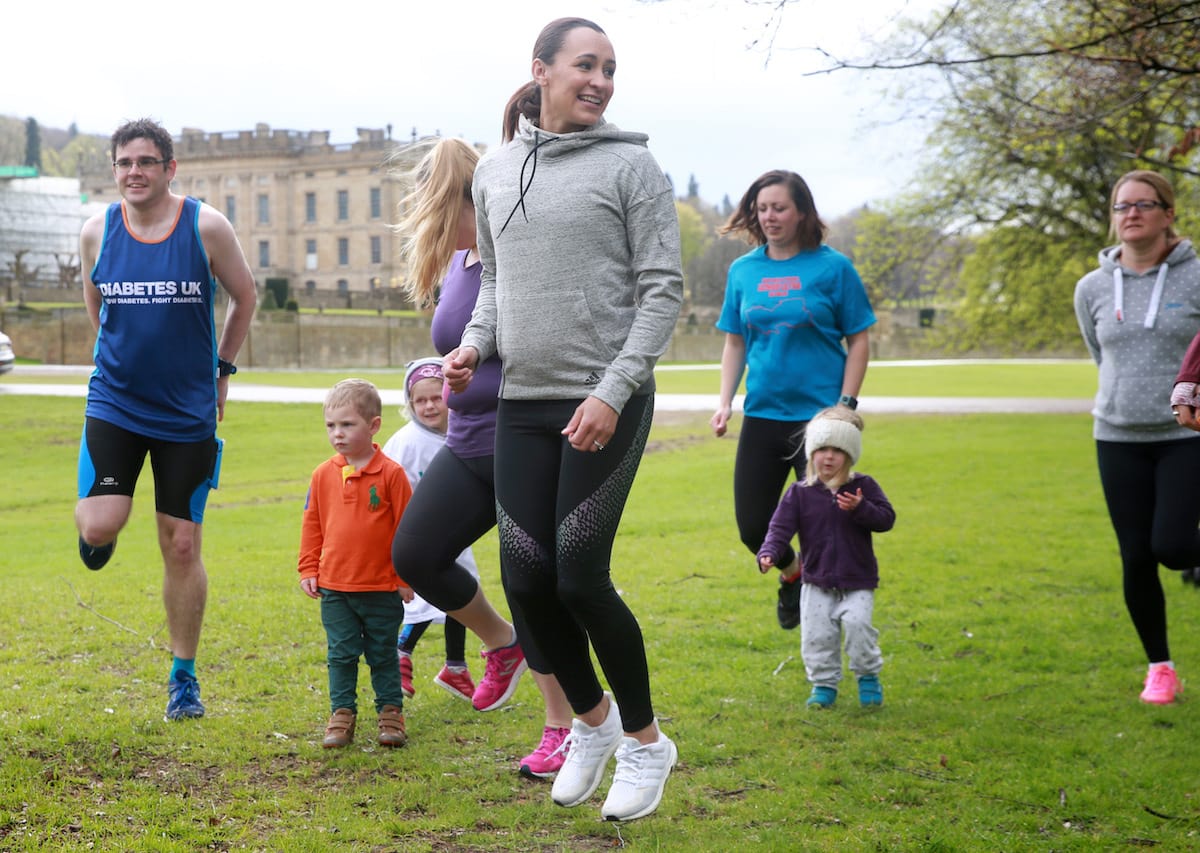
For me, it has been a game changer. I’m not just an influencer. My work also comes from freelancing as a writer, content creator and consultant. But much of the work I do stems from blogging. When I had my eldest daughter, I went back to work when she was three months old. I was incredibly lucky to find a job I could do from home not long after going back to work. Then when my youngest came along, I was ready to go freelance and I haven’t looked back.
The other side of influencer marketing
In case you hadn’t guessed, there’s another side to influencer marketing that I’m not particularly comfortable with. It’s the daily battle to get your blog or channel ‘out there’. Providing something that people want to read, showing brands that you have enough engagement for them to want to work with you. And that’s tough.

I’d love to say that there’s no substitute for hard work and there are no short cuts. But that’s simply not the case. Facebook is full of blogging groups. Some offer each other support, others are pretty much there to slate other bloggers and kick them when they’re down (yes, really). And then there are the ones that are designed to increase engagement.
Building engagement
Perhaps the most obvious engagement builders are the Instagram pods. You post a link to your Instagram post in a Facebook group and everyone who joins in likes your post, and you like everybody else’s. So, when a PR looks at your Instagram, you have a great level of engagement. But in reality, the majority of it is from people who are doing the same thing as you. They are real people, but is it real engagement?
Building followers on social media is usually based around who you follow. For many people, this means following and unfollowing thousands of people every month. The ones that like your account or what you are posting will continue to follow you, even after you’ve unfollowed them.
I tend to follow accounts I find interesting. On Twitter, I unfollow everyone who doesn’t follow back after a few weeks. I also unfollow people who are inactive. On Instagram, I unfollow people who don’t follow back, people who are inactive and people whose photos no longer appeal to me. I’m happy with this because it keeps my accounts interesting and I get a lot of engagement. Not just for the sake of working with brands, but for my own enjoyment. I love seeing photos of beautiful places on Instagram and nothing cheers me up like having a laugh with my favourite Twitter users.
Where do you draw the line?
Buying followers and engagement on social media is both immoral and illegal if you are profiting from it. But where do you draw the line? Are the social media strategies that people employ tantamount to fraud? Fraud by false representation is loosely defined as making a false representation in order to make a gain for yourself or cause loss for another. If you’re forcing engagement in order to earn more, is that fraud?
In terms of blog engagement, the majority of people who comment on blog posts are other bloggers. For a long time I steered clear of linkies because I worried that this was another way of getting engagement that I didn’t feel entirely comfortable with. But eventually I realised that I was missing out on the community aspect of blogging. So, I have joined in with a few linkies and even ran one myself for a while. I think brands are fully aware that most blog comments are from bloggers and that engagement doesn’t necessarily equate to the number of people who have read a post. Some of my most popular posts have few comments, including those about what’s on locally in the school holidays.

A conclusion of sorts
Whichever way I look at it, the way other people work is none of my business. So many people have done fantastically well from using Instagram pods and other ways of building engagement and I’m genuinely pleased for them. I love the fact that influencer marketing has empowered people to build a flexible career.
For me though, blogging is both work and something I love. So, doing something I don’t feel comfortable with would take the enjoyment out of it. I do sometimes wonder if I’m missing out or not working hard enough by doing it my way. But influencer marketing is something so personal that you really have to do things your own way or it loses its authenticity.


![Pilates And Lower Back Pain [AD]](https://plutoniumsox.com/wp-content/uploads/2022/08/yoga-g5ff89f443_1280.jpeg)

![Things to consider when remodelling a kitchen [AD]](https://plutoniumsox.com/wp-content/uploads/2020/01/20200120_181851-01-scaled.jpeg)