
Finding the joy in reading
Society puts a huge pressure on young children to learn to read. Very early on in school, they start recognising letters, piecing together words and eventually reading them out loud with the correct expression and punctuation. Books come home and it’s a parent’s job to listen to their child read. Encourage them when they’re right, work through errors and help the child to learn.
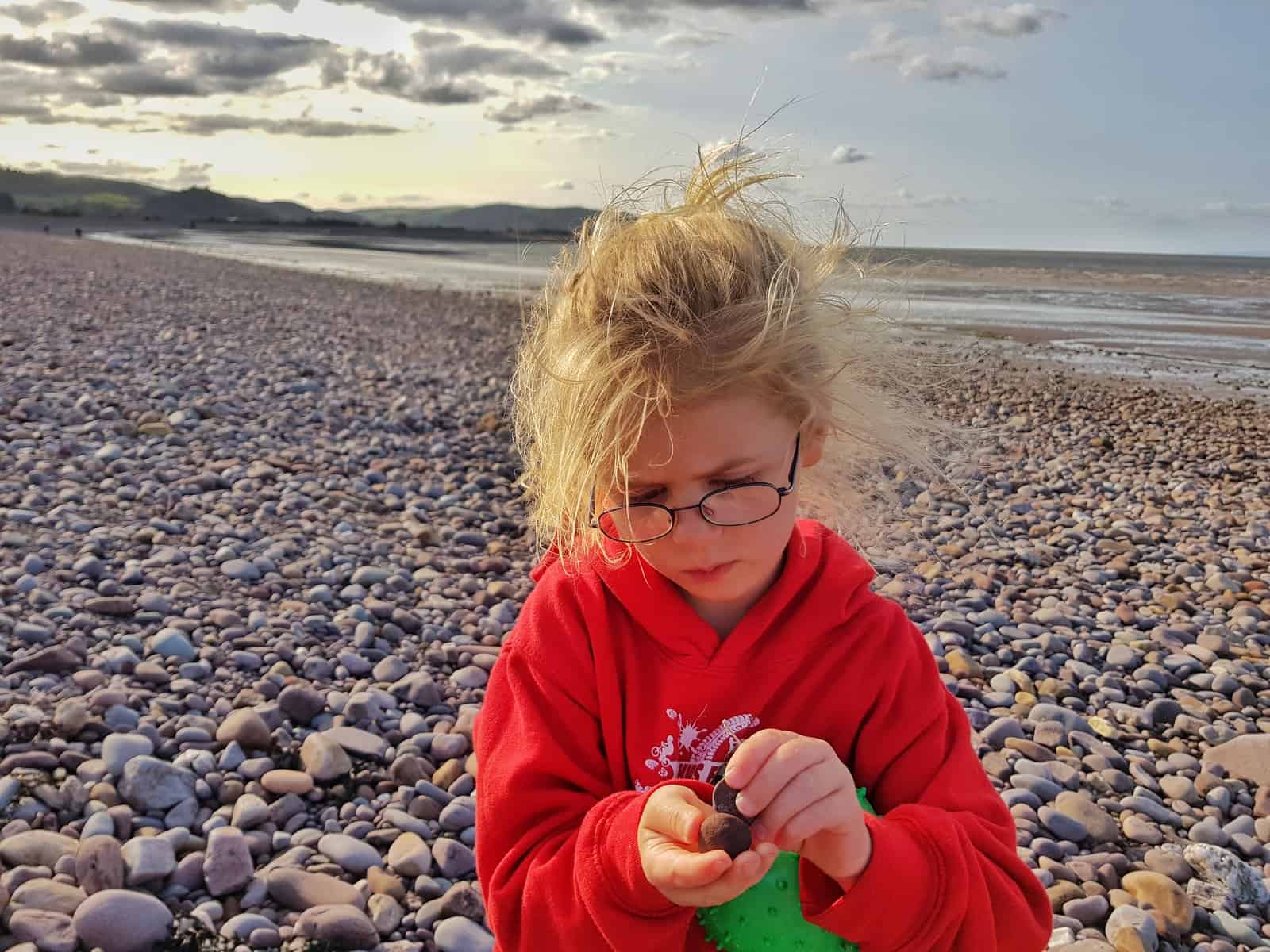
Learning to read
Every day, Libby would bring home her reading book. We’d plough through it. She’d get frustrated that it was difficult and I’d be left questioning how she could get totally stuck on a word she’d just read perfectly in another sentence. Still, we persevered.
Slowly but surely, her reading improved. Books became a little more challenging and she would stumble less over her words. And yet, she would never ask to read. It remained a chore and something to resent.
As a bookworm myself, I couldn’t understand what was going on. By her age, I’d read everything in the school library. I’d sit for hours with my nose in Anne of Green Gables or the Famous Five. I was rarely bored, because there was always a book to read.
The mistake
A few weeks ago, I was doing some bedtime reading with the girls. Lia hasn’t started to read properly yet, so she had brought home a library book for me to read to her. I stopped reading half way through when something distracted me, and Libby took up the reading.
She read perfectly without an error. It was a simple book, Charlie and Lola, but the level of it wasn’t important. She didn’t want to stop reading. Lia asked if I would read it instead, but Libby insisted on carrying on. Similar things happened another couple of times, and all the while we would plough on with her school reading books. The same daily battle. Worsening tantrums and very slow improvements in reading standards.
And then, it struck me. It wasn’t reading that Libby had a problem with, it was the books. Because school reading books serve a purpose. They get the children practicing at the right level and allow teachers to assess them at that level. But they place the importance on the words rather than the story. And Libby, like many others I’m sure, was bored. The story didn’t call to her, so she didn’t want to read it.
The dilemma
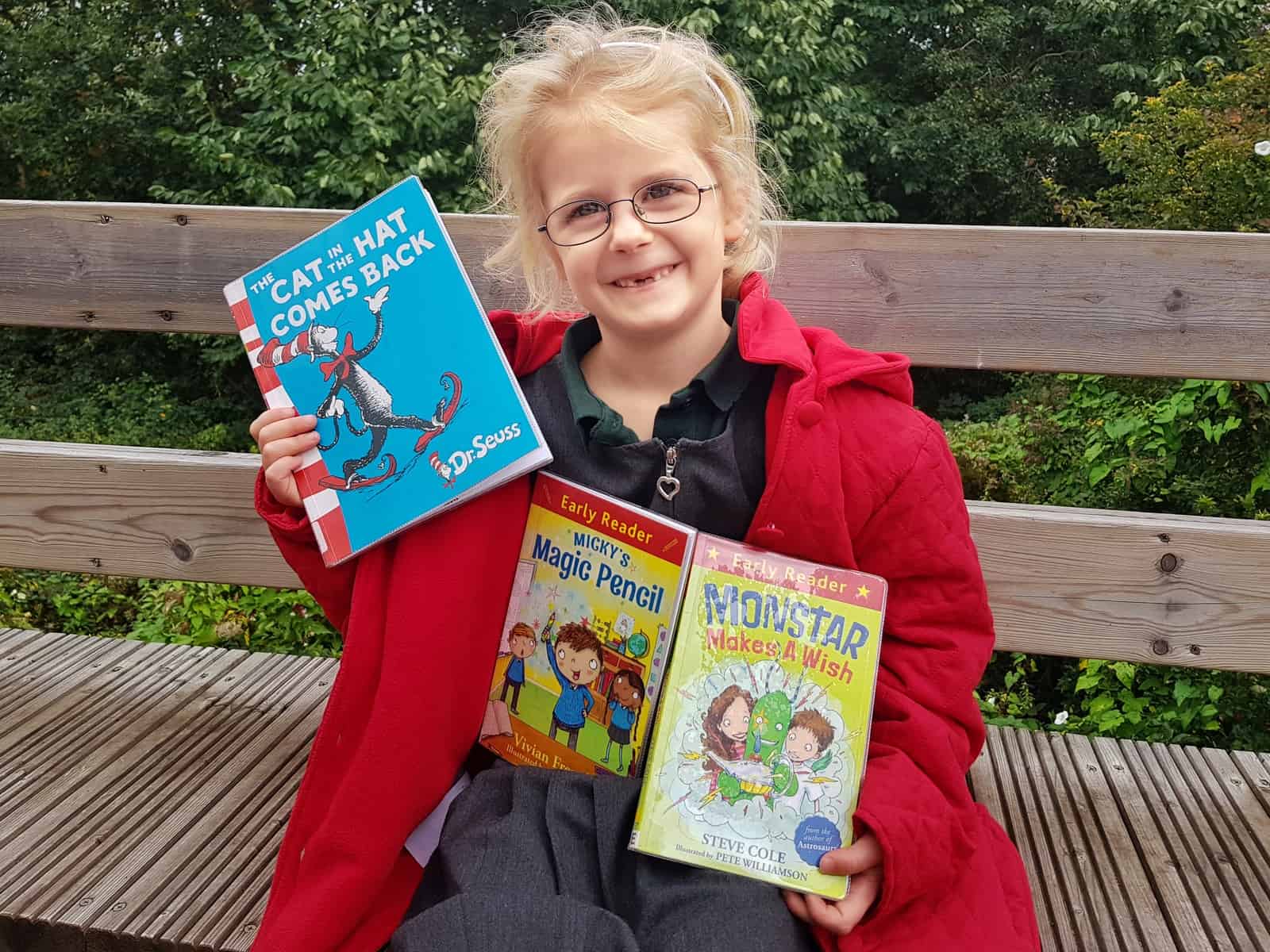
Last week, we went to the library. Libby picked out a chapter book she wanted to read. It was a transition book – a chapter book with lots of pictures. The reading level was probably a little easier than her school books, but the story struck a chord with her.
By the end of the following day, she’d finished the book and was asking me for another one. Which presented me with a dilemma. Should I be forcing her to read the school book before allowing her to choose another chapter book from the library? I knew the school book would push her more and teach her to read new words. And yet, I realised that was’t enough.
Because what I said at the beginning of this post was wrong. A parent’s job isn’t just to listen to a child read. School teaches children to read. Parents teach children to love reading.
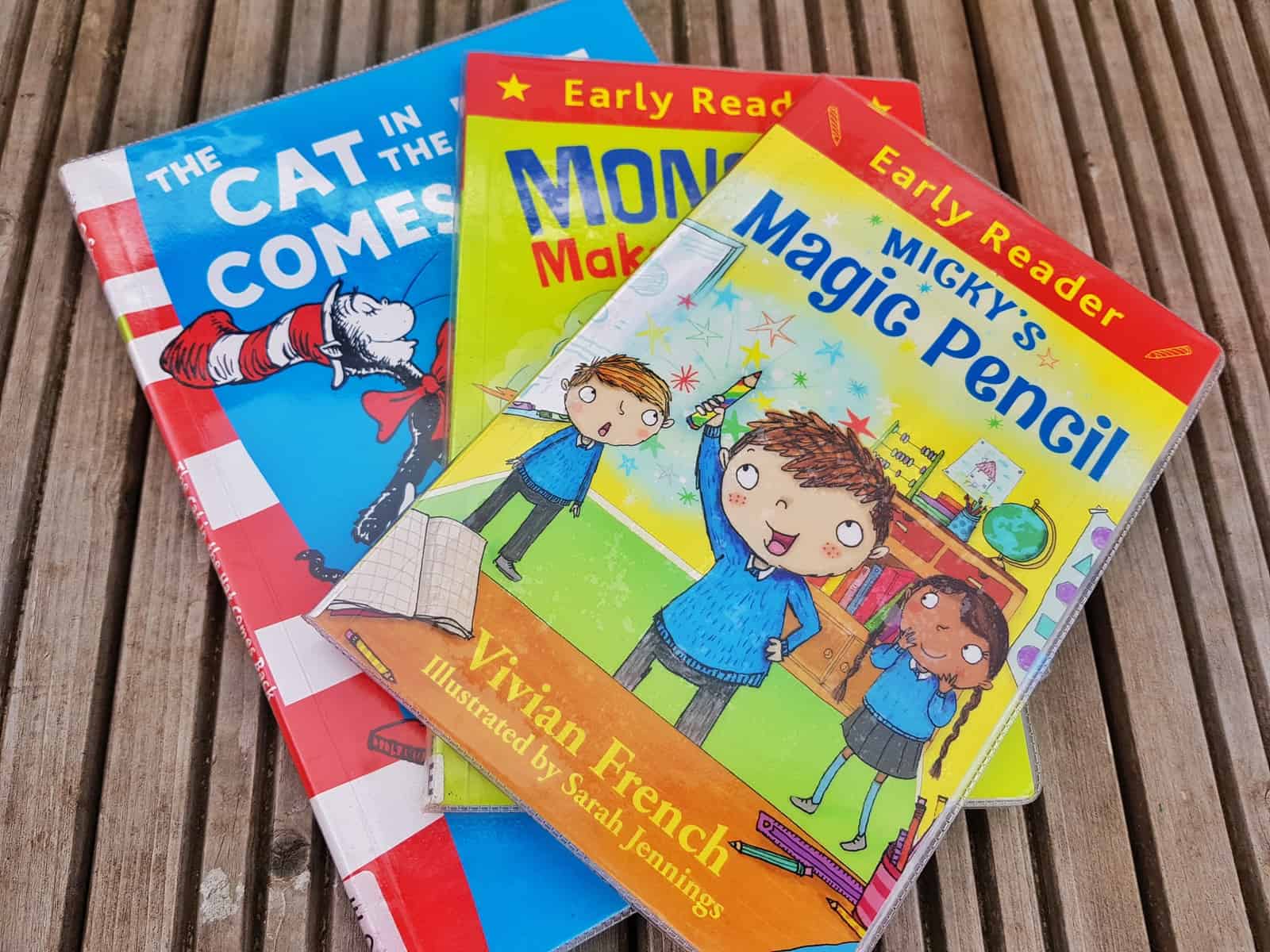
Finding the joy in reading
So, we went back to the library and took out some more books. Some she’ll enjoy, some she won’t. But exploring them will allow her to develop a love of reading. She’ll decide what genre she enjoys, which topics interest her and whether she prefers fact or fiction. She’ll find a quiet spot in the house where she can shut out the rest of the world and become absorbed in a book.
And as for the school books? Well, we’re altering our approach to those. We’ll be reading a few pages a few times a week. We’ll fill in the reading diary and let the school know how she’s getting on. But that’s it. Because one thing I’ve learnt from some of the wonderful home education bloggers like Jenny, Martyn, Jennie and Joy is that there’s no such thing as a one-size fits all approach to learning. And for Libby, finding a love for reading has become more important than being able to recite the words.



![Pilates And Lower Back Pain [AD]](https://plutoniumsox.com/wp-content/uploads/2022/08/yoga-g5ff89f443_1280.jpeg)